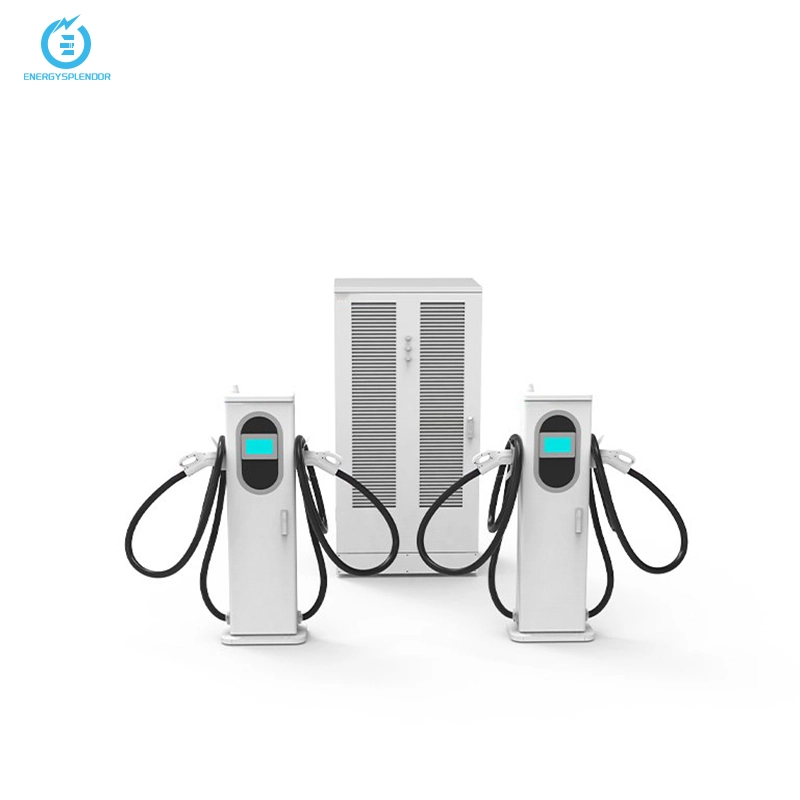
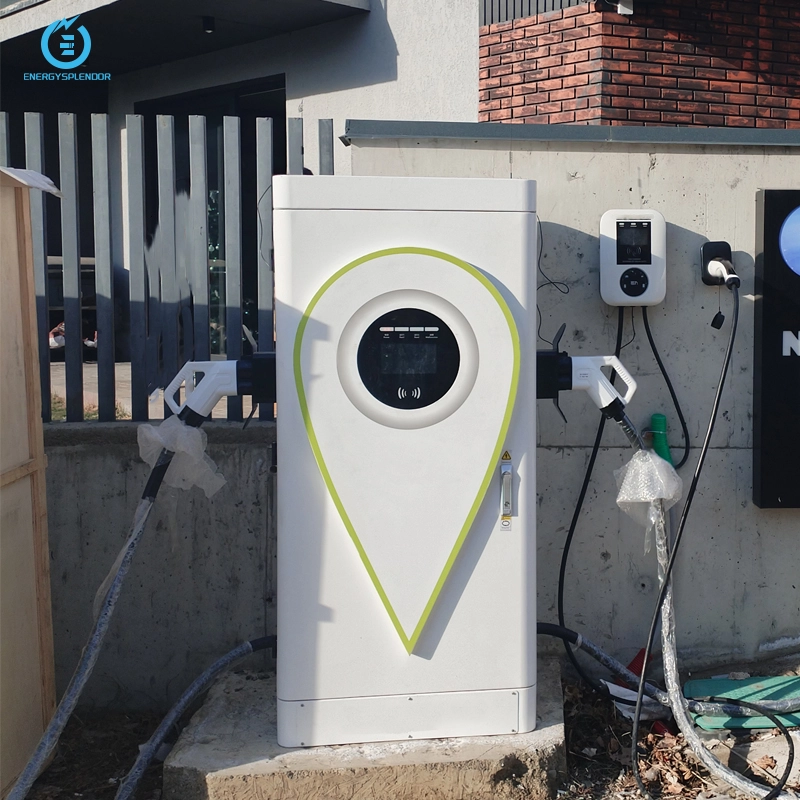
DIRECT CURRENT CHARGING STATIONS MANUFACTURERS
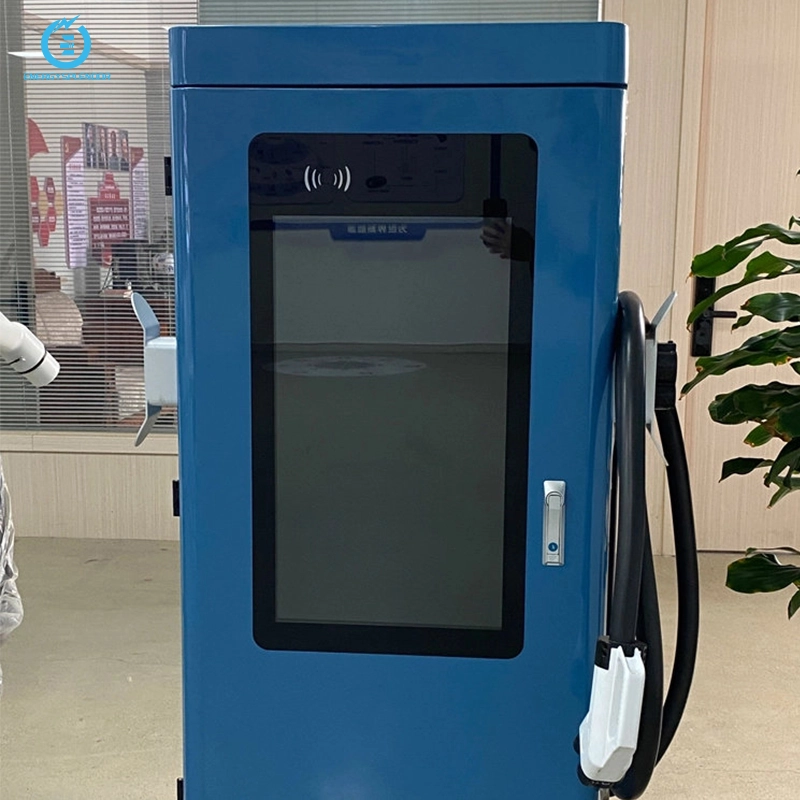
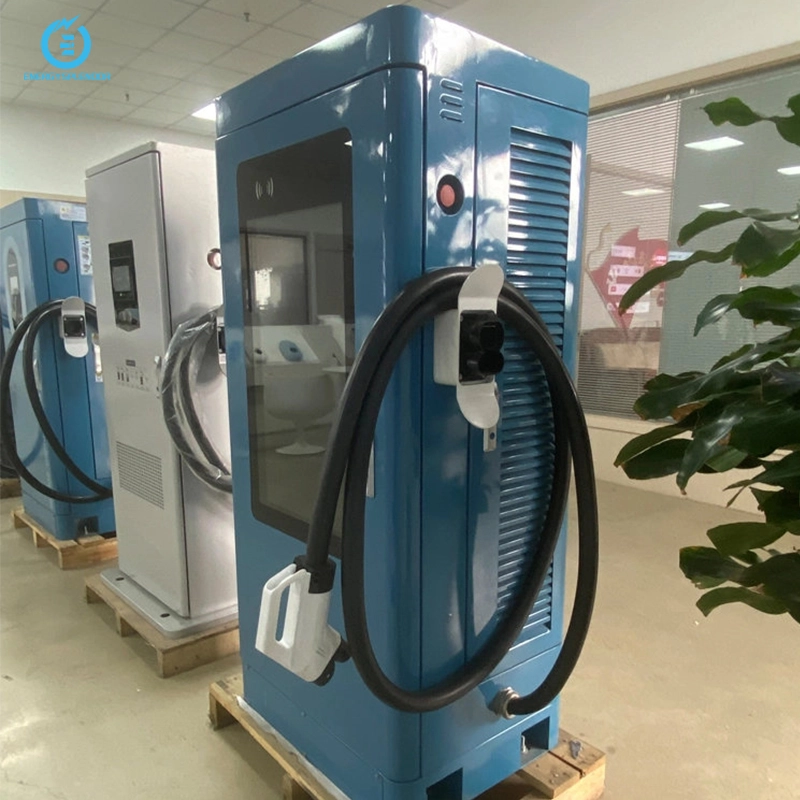
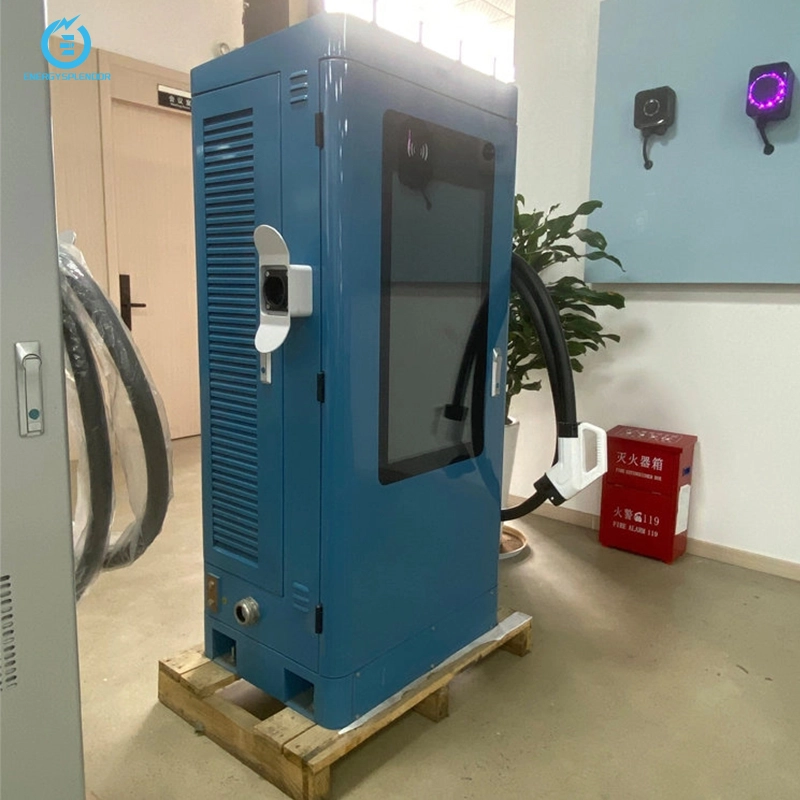
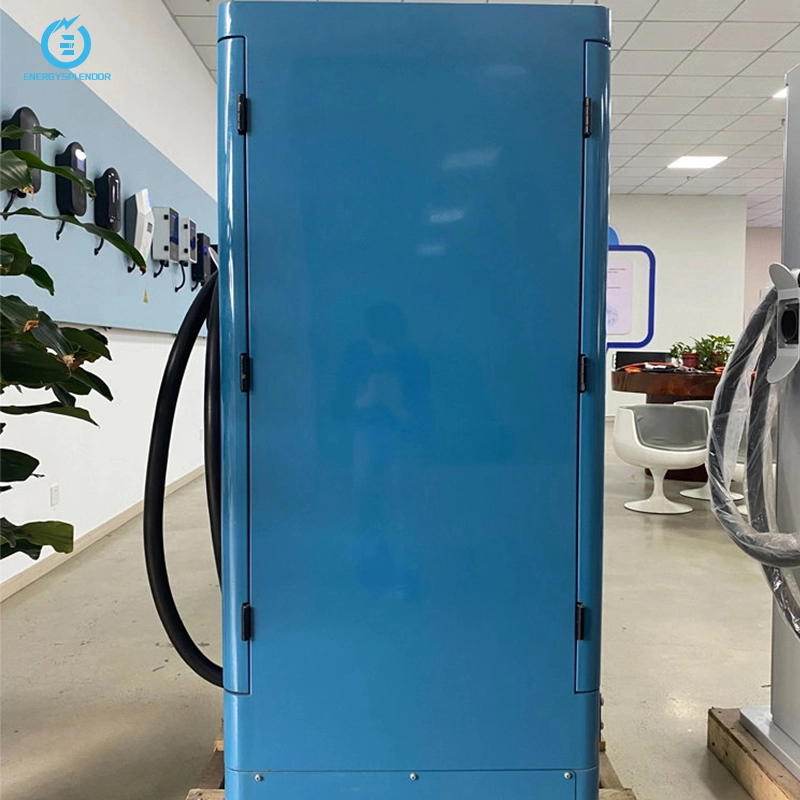
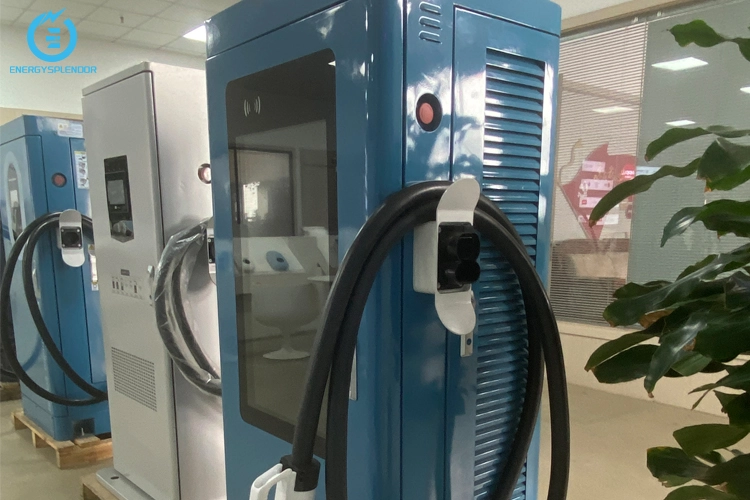
Dual EV Charging Station
Dimension:1620*750*560
Weight:<500KG
Installation Method:Floor-mounted
Screen:32 Inch LCD Screen/LED Light
AC Input Voltage:AC380V±15% ,3P+N+PEAC
Output Voltage Range:CCS1/CCS2/GBT/CHAdeMO: 150Vdc –1000Vdc;
CHADEMO: 150Vdc –500Vdc
Input Frequency:50Hz/60Hz
Charging Stands:IEC 61851-21-2:2021; IEC 61000-6-2:2019;
EN61000-6-4:2019; IEC 61851-1:2019; EN 61851-23:2014;
EN 61851-24:2014
Efficiency:≥95%
Power Factor:≥0.99(load:100%)
OCPP:1.6/2.0/2.0.1
Network Interface:Ethernet/4G
Working Temperature:-30℃~+55℃
Working Humidity:5%~95%
Dual EV Charging Station Infomation
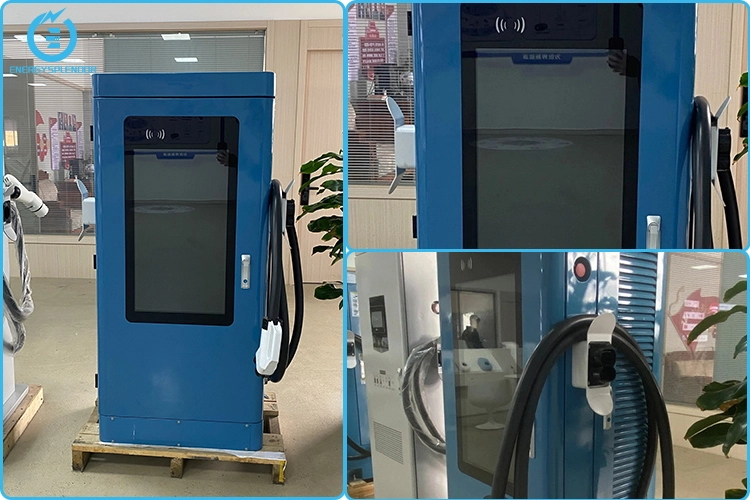
The dual EV charging station offers versatile charging power options ranging from 60kW to 360kW, making it ideal for high-demand commercial and public charging environments. Equipped with dual connectors, it allows two electric vehicles to charge simultaneously, maximizing station efficiency and user convenience. A standout feature is the 32-inch ultra-large LCD screen, providing clear user instructions, real-time charging data, and customizable branding display.
This dual EV charger supports multiple authentication and payment methods, including RFID card access, PIN code entry, and optional credit card payment integration for flexible billing. The system is designed to meet global standards and supports remote monitoring, firmware upgrades, and network connectivity via OCPP protocol.
Built for durability and performance, the charger is suitable for parking lots, fleet depots, highway service stations, and EV infrastructure projects. It offers customizable configurations to fit specific operator needs, helping reduce wait times and increase ROI. For businesses aiming to deploy a smart, high-power dual EV charging station, this model combines advanced functionality, safety, and user-friendly interaction.
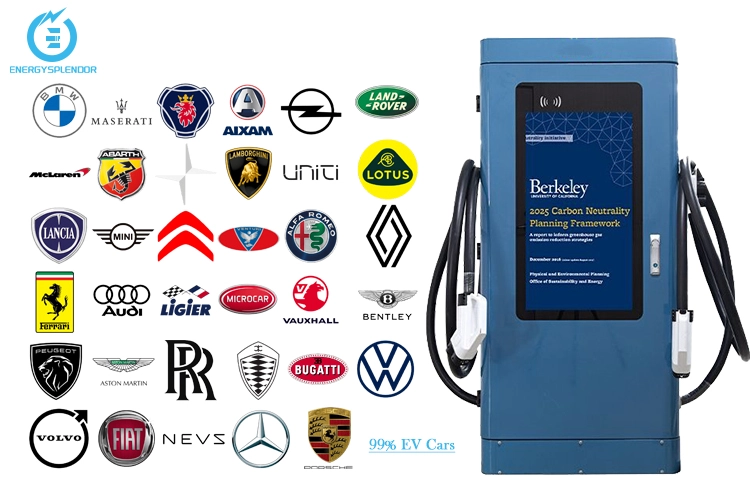
Dual Charging Station EV Supports 99% of car models
This dual EV charging station is designed for maximum compatibility, capable of supporting 99% of electric vehicle models globally. From European and American standards to Asian vehicle protocols, the charger intelligently adapts to different EV platforms, ensuring smooth and efficient power delivery without compatibility issues.Support plug:CCS1,CCS2,GB/T,CHAdeMO.
Dual charging capability allows two vehicles to charge simultaneously without compromising speed or stability, making it ideal for high-traffic areas such as shopping centers, highway rest stops, and fleet depots. The charger’s robust design and adaptive communication protocols provide consistent performance across different environments.
Its ability to support nearly all EVs on the market reflects the station’s technological maturity and high-quality engineering, giving operators confidence in scalability and long-term use. Whether for commercial deployments or municipal projects, this dual EV charging solution helps build a future-proof infrastructure that meets the demands of a fast-growing EV population.
Dual Port Ev Charging Station With Reliable Quality
The dual port EV charging station delivers reliable and secure charging for a wide range of electric vehicles, making it a trusted solution for commercial and public installations. Built with high-quality industrial components and strict manufacturing standards, this charger ensures long-term durability and stable performance even under continuous high-load operation.
Certified with CE and TÜV approvals, the station meets stringent safety and quality standards recognized across Europe and other global markets. It comes with a 2-year warranty, offering peace of mind to operators and installers seeking dependable infrastructure solutions.
Supporting OCPP 1.6, 2.0, and 2.0.1, the charger allows for seamless backend integration, remote monitoring, dynamic load management, and future upgrades. Its dual charging ports enable two EVs to be charged simultaneously, maximizing site efficiency and user convenience.
Whether deployed in commercial parking lots, highway service areas, or EV fleets, this dual port EV charging station combines safety, compatibility, and smart functionality—making it an ideal choice for scalable and future-ready EV networks.
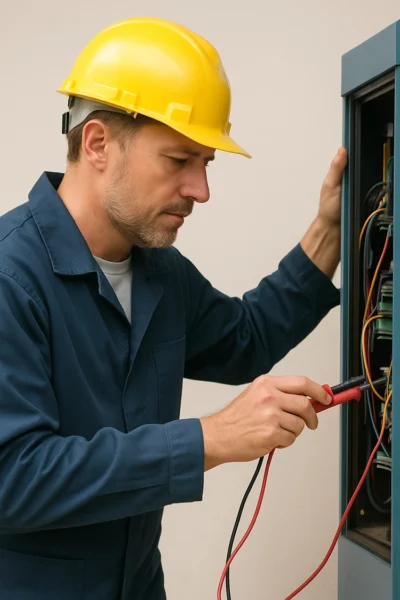
Ev Dual Charging Station Easy Maintenance
The EV dual charging station easy maintenance design ensures reduced downtime and simplified servicing for operators. Featuring a modular architecture, key components such as power modules and control boards can be quickly replaced without specialized tools, streamlining routine maintenance and minimizing operational interruptions.
Equipped with a natural air-cooling system, the station ensures stable thermal performance while reducing energy consumption and eliminating the need for complex cooling infrastructure. With an IP54 protection rating, the unit is resistant to dust and water splashes, making it suitable for outdoor and semi-outdoor environments.
At its core, the charger integrates an AI-powered intelligent mainboard, which enables real-time monitoring and status reporting. Through smart diagnostics and proactive alerts, operators can detect anomalies early and remotely manage the charger via OCPP backend systems.
Ideal for fleet depots, public charging stations, and commercial parking areas, this EV dual charging station delivers both smart functionality and easy maintenance, offering a practical and scalable solution for long-term EV infrastructure deployment.
Commercial Dual Ev Charging Station Service
Our commercial dual EV charging station service is designed to provide full lifecycle support—from pre-sales to after-sales—ensuring smooth deployment and reliable operation. Before purchase, we offer professional product recommendation services, helping clients choose the most suitable charging models based on application scenarios, power requirements, and installation environments.
For customers seeking deeper understanding and confidence, we provide on-site factory inspection (audit) services and welcome visits for in-person technical training. Clients can learn about production processes, quality control systems, and product configuration directly from our technical team.
Post-installation, we offer comprehensive remote technical support, including real-time diagnostics, firmware updates, and troubleshooting via OCPP-compatible platforms. For more complex needs, our engineers are available for on-site commissioning and maintenance, ensuring fast problem resolution and system optimization.
Whether you’re a charging operator, infrastructure developer, or fleet manager, our commercial dual EV charging station service ensures professional, responsive, and hands-on support—backing every project with the technical expertise and service quality needed for long-term success.
Custom Dual EV Charging Stations
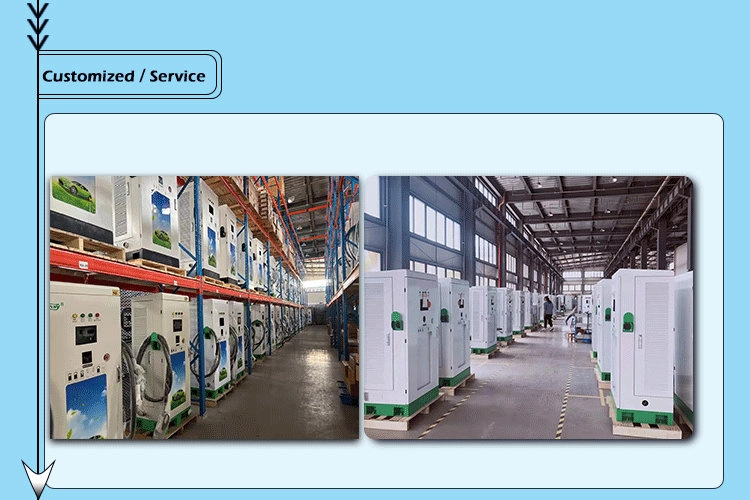
Our company can provide a variety of product customization services: Appearance customization service (within 100,000 US dollars, mold fees need to be paid) Language customization service Color customization service Gun head customization service Internal component addition customization service Product line SKD service After-sales service Remote debugging On-site guidance
We’ve been using the Dostar Dual Voltage EV Charging Station at our facility for several months, and it has proven to be both reliable and versatile. The dual voltage compatibility makes it ideal for mixed vehicle fleets, supporting both 400V and 800V EV platforms without any issues. It delivers stable charging performance with fast response and smart energy distribution. Installation was straightforward, and the build quality is impressive. It’s a great choice for businesses or public sites needing a flexible, future-proof EV charging solution. Our team is highly satisfied with its performance and convenience.
Latasha Pitts
We installed dual plug EV charging stations at our commercial parking area, and they’ve been a fantastic upgrade. The ability to charge two vehicles at once has significantly improved our service capacity without taking up extra space. The stations are easy to use, support multiple EV types, and deliver consistent charging speeds. The smart power allocation ensures both ports operate efficiently, even during peak hours. Maintenance is minimal, and the design fits well in both indoor and outdoor environments. It’s a practical, high-performance solution that’s helped us better serve our EV-driving customers.
Jeremy Villa
We’ve been using the dual EV charging station for several months, and it has greatly improved our charging capacity. The station allows us to charge two vehicles simultaneously without sacrificing speed or reliability. It’s user-friendly, with clear indicators and multiple payment options, making it easy for our customers to use. The build quality is solid, and it performs well in all weather conditions. Since installing the dual charger, customer satisfaction has increased, and our station handles higher traffic efficiently. It’s a reliable and cost-effective solution for any commercial EV charging needs.
Henry Ramirez
We installed a dual charging station EV solution at our facility, and it has significantly enhanced our service capability. The ability to charge two vehicles simultaneously without any loss of charging speed is a major advantage, especially during busy hours. The station is easy to use, with clear displays and multiple payment methods, making it convenient for all drivers. Its durable build ensures reliable operation in various weather conditions. Since installation, we’ve seen improved customer satisfaction and better traffic management at our site. This dual charging station is a practical, efficient, and cost-effective choice for commercial EV charging.
Jenna Calhoun
We installed a dual port EV charging station at our commercial parking lot, and it has been a great addition. The ability to charge two vehicles simultaneously has greatly increased our charging capacity and reduced wait times. The station is easy to operate with a user-friendly interface and supports multiple payment options, which our customers appreciate. Its robust design ensures reliable performance in all weather conditions. Since installation, we’ve noticed higher customer satisfaction and increased usage. This dual port charging station is a cost-effective and efficient solution for meeting growing EV demand.
Blake Golden
We chose an electric car charging station that complies fully with the latest industry standards, and it has made all the difference in reliability and safety. The station meets international certifications such as IEC, UL, and SAE standards, ensuring compatibility with a wide range of EV models and charging protocols. This adherence to standards guarantees safe, efficient, and fast charging performance. Installation was smooth thanks to clear guidelines and quality components. Since adopting a station built to these rigorous standards, we’ve experienced fewer technical issues and increased customer trust. For anyone looking for a dependable charging solution that meets global benchmarks, this charging station is an excellent choice.
Danny Acevedo
How Do EV Charging Stations Work?
EV charging stations deliver electrical energy from the power grid to electric vehicles (EVs) through specialized equipment that regulates voltage, current, and safety.
🔧 Step-by-Step: How EV Charging Stations Work
Power Source Connection
The station connects to the electrical grid, solar panels, or both.
It can provide AC (alternating current) or DC (direct current) depending on the charger type.
User Authentication (optional)
Public chargers may require an app, RFID card, or QR code to start charging.
Vehicle Plug-in
The user connects the charging cable (Type 1, Type 2, CCS, CHAdeMO, etc.) to the car’s charging port.
The station and vehicle communicate using a protocol (like ISO 15118 or OCPP).
Power Delivery
The station delivers power to the vehicle:
🔌 AC Chargers send AC power; the EV’s onboard charger converts it to DC to charge the battery.
⚡ DC Fast Chargers convert AC to DC inside the station, then deliver it directly to the battery—faster.
Charging Control & Monitoring
Built-in software monitors voltage, temperature, current, and charging status.
Some stations feature smart charging, adjusting power based on grid load or user settings.
Session End
The user stops the session via app/button, or the car stops when full.
Charging data (kWh, cost, duration) is recorded for billing or tracking.
🛠️ Bonus Features in Modern EV Chargers
Dynamic power sharing (in dual-port or flexible charging stacks)
Payment systems (credit card, e-wallet, mobile app)
Remote diagnostics and firmware updates
Energy management systems to integrate with solar or batteries
What is the Best Dual EV Charger?
The best dual EV charger combines high power output, smart features, durability, and broad compatibility—making it ideal for both residential and commercial use. Here’s how to evaluate and some top options.
✅ What Makes a Dual EV Charger the Best?
| Feature | Description |
|---|---|
| Power Output | Preferably Level 2 (7.2kW–22kW per port) or DC Fast (30kW–120kW total) |
| Dual-Port Design | Can charge two EVs simultaneously, either evenly or dynamically |
| Smart Charging | Includes Wi-Fi/Bluetooth, app control, OCPP, and load balancing |
| Connector Compatibility | Supports Type 1, Type 2, CCS, CHAdeMO, or dual standard plugs |
| Durability | Weather-resistant (IP54/IP65), industrial-grade casing, surge protection |
| Installation Flexibility | Wall-mounted or pedestal options for indoor/outdoor use |
| Safety & Certification | Certified (e.g., CE, UL, TUV), overcurrent/overvoltage protection |
🏆 Top Dual EV Chargers (AC & DC Examples)
| Product | Type | Power | Highlights |
|---|---|---|---|
| ChargePoint Express 250 | DC | Up to 125kW total | Commercial-grade, CCS + CHAdeMO, networked |
| Wallbox Commander 2 | AC | 22kW per port | Touchscreen, RFID, app control, OCPP |
| Tesla Wall Connector (Dual Setup) | AC | 11.5kW per vehicle | Load-sharing, great for Tesla fleets |
| Shinenergy Dual EV Charger (Your brand example) | AC or DC | 2×22kW AC / 2×30kW DC | AI control board, natural cooling, IP54 |
🧠 Tip:
For commercial use, choose a DC dual port fast charger with dynamic load management.
For home or fleet, a Level 2 dual-port AC charger with smart scheduling is often best.
📍 Local Recommendations
Let me know your country (e.g., Thailand, Philippines, UAE, etc.), and I can tailor the best dual charger options and standards for your region.
Is a Dual EV Charging Station Easy to Maintain?
Yes—a well-designed dual EV charging station is generally easy to maintain, especially if it uses a modular design, smart diagnostics, and robust components. However, ease of maintenance depends on the station’s build quality, cooling system, and technical support.
🔧 Key Factors That Make Dual EV Chargers Easy to Maintain
| Feature | Why It Matters |
|---|---|
| Modular Power Units | Enables quick replacement of faulty modules without affecting the whole system. |
| Natural Air Cooling | Reduces the chance of fan failure and lowers maintenance needs compared to active cooling. |
| Smart Monitoring System | Built-in AI controller or OCPP platform can send real-time alerts and error codes. |
| IP54 or Higher Protection Rating | Weather and dust resistance for outdoor use minimizes environmental wear. |
| Remote Diagnostic Support | Allows technicians to troubleshoot without visiting the site—lower downtime. |
| Accessible Design | Front-facing access panels and labeled internal wiring simplify technician work. |
🛠️ Common Maintenance Tasks
Firmware Updates (remote or local)
Periodic Electrical Checks (grounding, insulation)
Visual Inspections (plugs, cables, enclosure)
Module Replacement (only in case of fault)
Cleaning & Dust Removal (minimal with sealed units)
📦 Example: Your Factory’s Dual EV Charging Station
If your dual EV charger includes features like:
AI Smart Mainboard
Module-level design
Natural air cooling
IP54-rated enclosure
Then yes—it is considered very easy to maintain compared to traditional one-piece systems.
🔌 Are Dual EV Charging Stations Compatible with Different Plug Types?
Yes — many dual EV charging stations are designed to be compatible with multiple plug types, either through configurable connectors or dual-standard outputs. This is especially important in regions where EVs use different charging standards (e.g., Type 1, Type 2, CCS, CHAdeMO, GBT, or Tesla).
⚡ Compatibility Options for Dual EV Chargers
| Plug Type | Description | Common Regions |
|---|---|---|
| Type 1 (SAE J1772) | Single-phase AC plug | North America, Japan |
| Type 2 (IEC 62196) | Three-phase AC plug | Europe, Middle East, Southeast Asia |
| CCS (Combo 1/2) | DC fast charging | Global (Combo 1: US, Combo 2: EU/Asia) |
| CHAdeMO | DC fast charging | Japan, some Asian & EU markets |
| GBT | AC/DC standard | China |
| Tesla Connector | Proprietary plug | North America, EU (with adapter) |
🔄 Dual-Port Configuration Examples
| Station Type | Port A | Port B | Notes |
|---|---|---|---|
| AC + AC | Type 2 | Type 1 | Common in universal AC stations |
| DC + DC | CCS | CHAdeMO | Popular for commercial fast chargers |
| AC + DC | Type 2 | CCS | Hybrid for parking lots or mixed fleets |
| Dual GBT | GBT AC | GBT DC | Designed for the Chinese market |
✅ Smart Stations = Dynamic Plug Control
Advanced dual chargers often have:
Automatic plug recognition
Software-configurable plug mapping
Optional adapters or swappable cable sets
🏭 For Manufacturers (like your company):
If you’re supplying dual EV chargers, offering customizable plug types based on regional requirements is a key advantage — especially for export markets like:
Thailand (Type 2, CCS)
Philippines (Type 1/Type 2 mix)
Middle East (Type 2, CCS)
How to Choose the Right Dual EV Charging Station
Choosing the right dual EV charging station depends on your use case — whether it’s for commercial use, fleet operations, or public charging. A good choice balances plug compatibility, charging speed, maintenance convenience, and smart features.
🔍 Key Factors to Consider
| Factor | What to Look For |
|---|---|
| ⚡ Power Output | AC (7kW–22kW per port), DC (30kW–240kW+). Match with vehicle types and turnover speed. |
| 🔌 Plug Type Compatibility | Ensure it supports local plug standards (Type 1, Type 2, CCS, GBT, CHAdeMO). Dual-port should serve multiple EV models. |
| 🧠 Smart Features | OCPP support, remote monitoring, load balancing, RFID/NFC authentication, and billing system integration. |
| 🛠️ Ease of Maintenance | Modular power design, IP54/IP65 rating, natural cooling, and easy-access panels. |
| 🌎 Installation Environment | Choose wall-mounted for private use or pedestal/stand type for commercial/public areas. |
| 🔧 Certifications & Safety | CE, UL, IEC standards, surge protection, ground fault protection, etc. |
| 💰 Cost vs ROI | Consider total cost of ownership (installation + service), especially for high-traffic zones. |
🏢 Use-Case Recommendations
| Application | Recommended Features |
|---|---|
| Commercial Parking Lots | Dual AC or AC+DC, billing software, Type 2/CCS, weatherproof enclosure |
| EV Fleets | High-power dual DC, load management, remote diagnostics, GBT or CCS |
| Residential Communities | Dual AC (7–11kW), compact design, OCPP-ready, Type 2 or Type 1 |
| Retail / Hotels | Dual AC/DC hybrid, branding customization, payment terminal, mobile app control |
📦 Example: Your Factory’s Offering
If your company offers dual chargers with:
AI smart motherboard
Modular power module
IP54 protection
Air-cooled design
Customizable plug types
Then you’re well-positioned to serve multi-market customers looking for easy installation and maintenance.
🔋 Does a Dual EV Charger Support Smart Power Distribution?
Yes — many dual EV chargers support smart power distribution, especially models designed for commercial, fleet, or shared-use environments.
This feature is often referred to as:
Dynamic Load Balancing (DLB)
Intelligent Power Allocation
Smart Charging Logic
🧠 How Smart Power Distribution Works
When two EVs are connected simultaneously, the dual charger:
Monitors total available power (e.g., from the building or transformer).
Automatically distributes power between both charging ports based on:
Real-time demand
Battery state of charge (SoC)
Priority settings or user profiles
Prevents system overload by adjusting power when site load is high.
🔧 Example Scenarios
| Total Power Available | Car A Plugged In | Car B Plugged In | Smart Distribution Result |
|---|---|---|---|
| 60 kW | Yes | No | Car A gets full 60 kW |
| 60 kW | Yes | Yes | 30 kW each (balanced) or 40/20 split depending on priority |
| 60 kW | Charging | New EV plugs in | Power reallocated dynamically |
✅ Benefits of Smart Power Distribution
⚡ Maximizes energy usage efficiency
🔒 Prevents grid overload or breaker trips
💰 Lowers infrastructure cost (no need for massive upgrades)
🚗 Improves user experience (no unnecessary wait time)
💼 For Manufacturers & Suppliers
If you’re offering dual EV chargers with AI-enabled control boards or OCPP 1.6/2.0 compatibility, you can highlight:
Real-time load balancing
Remote dynamic power control
Priority-based charging (e.g., VIP, emergency vehicles)