DIRECT CURRENT CHARGING STATIONS MANUFACTURERS


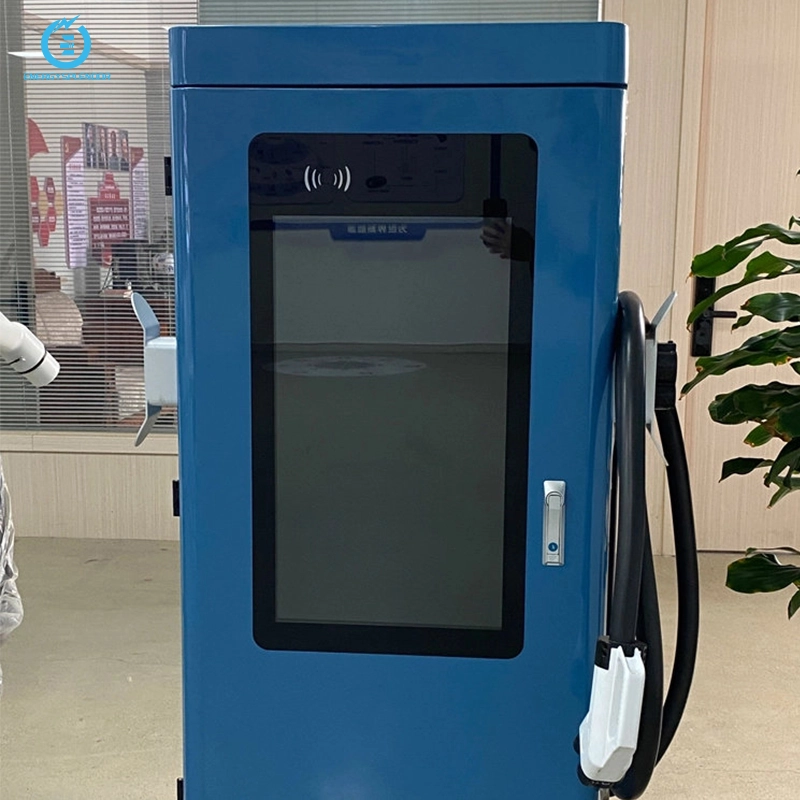
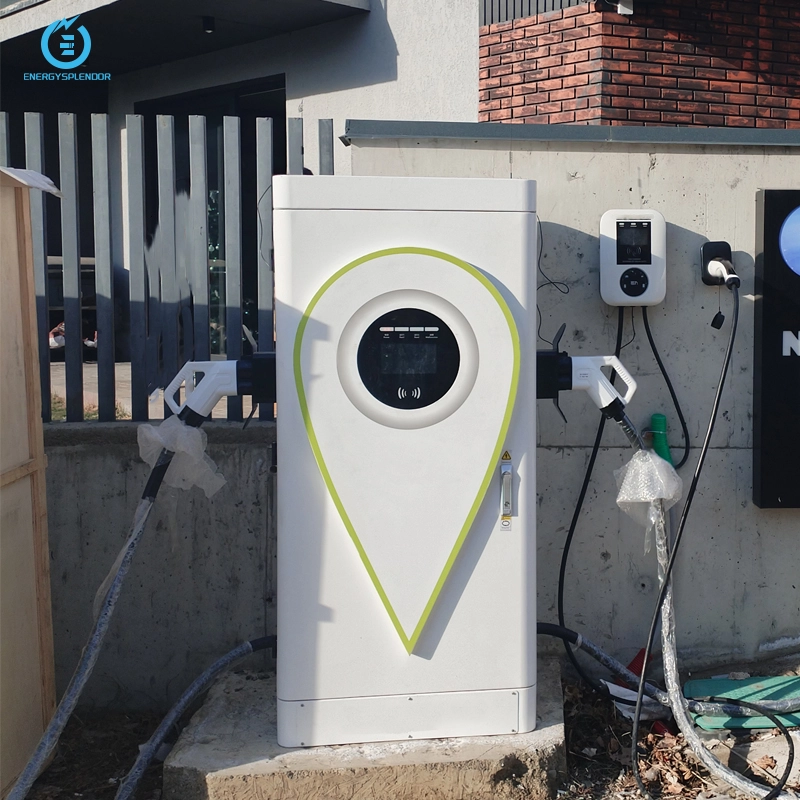
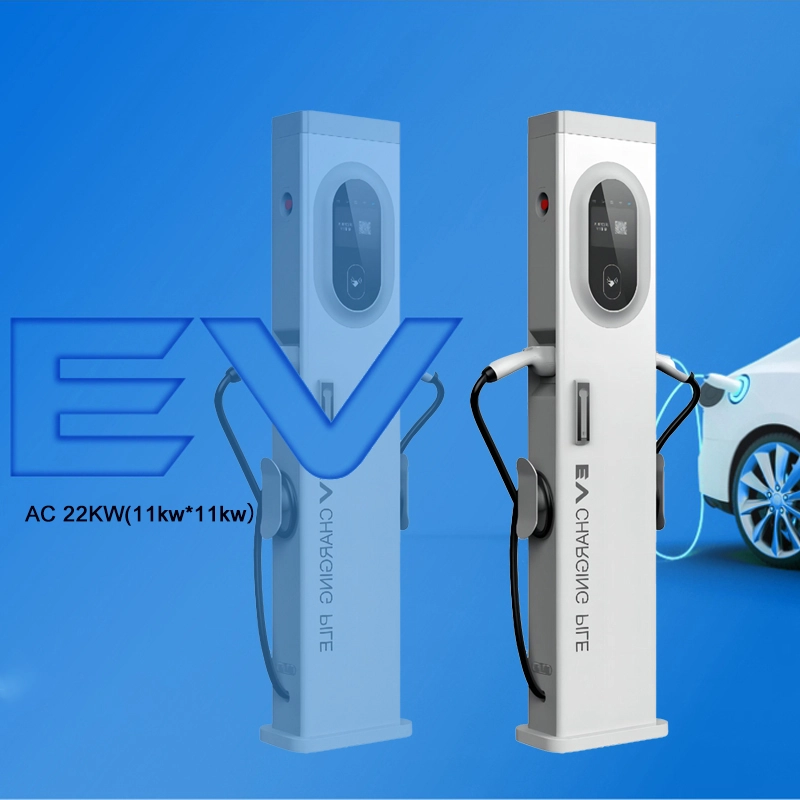
Best EV Car Charger AC 22kw DC 120kw Fast Charging
1.Rated Power:142kW
2.Output Method:2*CCS/ CHAdeMO:60kw,1*Type2:22kW
3.Installation Method:Floor Mounted
4.Feeding Method:Bottom in and put , 3P+N+PE
5.Equipment Dimension:1735*705*570mm
6.Input Voltage:AC380V±15%
7.Input Frequency:50±10 Hz
8.Output Voltage:200-(750 )1000VDC/380V
9.Output Current:DC: 0-200A / AC: 32A
10.Cable Length:5m ( Optional )
11.Protocol:OCPP 1.6
12.Metering Accuracy:0.5 level
13.Power Factor:≥0.99 (above 50% load)
14.Current Limit Protection Value:≥110%
15.Voltage Stabilization Accuracy:≤±0.5%
16.Current Stabilization Accuracy:≤±1%
EV Car Charger for AC DC 142kw Fast Charging Station
The EV car charger for AC DC 142kW fast charging station is a high-performance solution built for efficiency, smart control, and user convenience. Equipped with a 7-inch high-brightness color touch screen, it provides an intuitive interface for real-time status display, charging progress, and operation instructions in multiple languages.
This charger supports multiple charging modes, including automatic full charge, fixed power, fixed amount, and fixed time—all of which can be configured through an interfaced backend platform, enabling dynamic energy control and billing flexibility.
For user access and payment, it offers swipe card and QR code scanning options. Payment methods include credit card and mobile scan code payment, supporting seamless integration with third-party billing platforms and EV charging apps.
A key feature of this 142kW station is its triple-gun (three connectors) design, allowing simultaneous charging for three EVs. It can be configured with different standards (e.g., CCS2 + CHAdeMO + GB/T or dual DC + one AC), catering to diverse vehicle types and maximizing charging throughput.
Ideal for highways, commercial fleets, and high-traffic public charging hubs, this AC/DC 142kW fast charging station combines intelligent features, flexible charging modes, and robust hardware—delivering a truly advanced EV charging experience.


AC Type 2 22kw DC 120kw EV Car Charger Compatible with 99% of Vehicle Models
The AC Type 2 22kW + DC 120kW EV car charger is a versatile and high-efficiency charging solution, compatible with 99% of vehicle models on the market. Designed to meet the needs of mixed EV fleets and public charging networks, it supports a wide range of connector standards including Type 2 (AC), CCS1, CCS2, and CHAdeMO, ensuring seamless charging for European, American, Japanese, and Chinese EV brands.
The 22kW AC output is ideal for standard daily charging, while the 120kW DC fast charging dramatically reduces charging time, making it perfect for high-turnover locations like service stations, urban charging hubs, and commercial depots.
With intelligent load distribution and multi-vehicle compatibility, this charger allows operators to serve diverse EV users with one integrated system. Whether it’s a Tesla (with adapter), Nissan Leaf, BMW i Series, Hyundai, or BYD, this AC/DC EV charger delivers safe, stable, and fast charging.
Engineered for reliability and user convenience, the charger also supports smart functions like RFID access, remote monitoring, and multiple payment options—making it a powerful, future-ready solution for modern EV infrastructure.
Best Car Charger Ev Has Ce Tuv Certification And Multi-Functional Product Protection
The best car charger EV is engineered for ultimate safety, reliability, and global compliance. With internationally recognized CE and TÜV certifications, it meets strict quality and safety standards required for European and international markets. Internally, it is built with premium components from trusted brands such as CHINT, ABB, Schneider, and Delixi, ensuring long-term stability and consistent performance.
This charger offers a full suite of multi-functional protection features, including:
Charge gun temperature detection
Overvoltage / Undervoltage protection
Overload and short circuit protection
Grounding and insulation monitoring
Over-temperature and low-temperature protection
Polarity reverse protection
Lightning protection
Emergency stop function
Leakage protection
These intelligent safety systems work together to provide secure and worry-free charging in all environments, from residential garages to commercial charging stations.
Built for both performance and protection, this CE & TUV certified EV charger is the smart choice for those prioritizing safety, quality, and long-term value in their EV infrastructure.


Best Charging Practices For Ev Cars: Simple Maintenance
When considering the best charging practices for EV cars, choosing equipment that supports simple maintenance is essential for long-term reliability and operational efficiency. Our EV chargers are designed with a modular plug-and-play architecture, allowing components to be easily inserted or removed by a single person—no complex tools or special training required.
With an IP54 protection rating, the charger is well-protected against dust and water, making it suitable for both indoor and semi-outdoor installations. At the core of the system is an intelligent chip, which continuously monitors internal performance and provides real-time diagnostic data to operators.
This smart control system supports remote monitoring and maintenance, enabling service teams to access live data, detect faults, and perform software updates without being on-site. By simplifying hardware replacement and enabling proactive service through real-time insights, these chargers represent the ideal balance of high performance and low maintenance—a key part of best practices for any modern EV charging setup.
Best Car Ev Charger Manufacturer Serves You
As the best car EV charger manufacturer, we are committed to delivering high-quality products and full-cycle services to meet the evolving needs of global EV charging infrastructure. From product design to after-sales support, our team ensures every customer receives expert guidance, reliable equipment, and long-term value.
We offer a complete range of AC and DC chargers, including 7kW, 11kW, 22kW AC chargers and 60kW to 360kW DC fast chargers, all built with international certifications such as CE, TUV, and RoHS. Our chargers are compatible with Type 1, Type 2, GB/T, CCS1, CCS2, and CHAdeMO standards, supporting 99% of EV models worldwide.
What sets us apart is not only our product quality but also our professional service system. We provide pre-sales consultation, customization support, software integration testing, and after-sales remote or on-site technical assistance—ensuring smooth deployment and operation.
Choose the best EV charger manufacturer that understands your project requirements and delivers scalable, smart, and certified charging solutions that serve your business growth globally.


Customize The Best Charging Station for EV Cars
Looking to customize the best charging station for EV cars? At Anengjienergy, we don’t just supply charging stations—we manufacture them. As a direct factory, we provide complete customization services tailored to your brand, market, and technical requirements.
From charger appearance, logo printing, and language interface, to charging power (7kW, 11kW, 22kW, 60kW–360kW) and connector types (Type 1, Type 2, GB/T, CCS1, CCS2, CHAdeMO), every detail can be adapted to fit your project goals. Whether you need AC chargers for residential use or high-power DC fast chargers for commercial networks, Anengjienergy delivers reliable and scalable solutions.
With strong R&D capabilities and CE, TUV-certified production standards, we ensure quality, safety, and full support from pre-sales consultation to after-sales service. Work directly with a trusted EV charger factory—customize your charging station with Anengjienergy, and build the future of e-mobility with confidence.
As an EV charging station contractor, we have deployed this product in multiple commercial projects, and it truly lives up to the name “Best EV Car Charger.” It offers excellent compatibility with Type 1, Type 2, and GB/T connectors, making it suitable for a wide range of electric vehicles and reducing on-site setup challenges. The charger supports both wall-mounted and pedestal installations, giving us flexibility across different environments. With built-in OCPP protocol support, it integrates smoothly with backend systems, enabling remote monitoring, user authentication, and intelligent billing. End users have reported fast and stable charging performance, which has helped elevate the overall service quality of the stations. From our perspective as installers, this charger delivers outstanding quality, comprehensive features, and reliable after-sales support. It’s a solid choice we confidently recommend to our partners and clients.
Ernst-OttoPergande-Schuster
We have sourced and installed the Best Car Charger EV units in several large-scale EV infrastructure projects, and the performance has been consistently impressive. These chargers support both AC and DC outputs, offer flexible voltage options, and are fully compatible with international charging standards, including CCS2, CHAdeMO, and GB/T. As a charging station supplier, what we value most is reliability—this model has proven durable even in high-traffic commercial environments. The modular design also simplifies maintenance, saving us considerable time and costs post-installation. Our clients—mostly fleet operators and retail park owners—have praised the fast charging speed and seamless payment integration via OCPP backend. From procurement to deployment, this charger meets every technical and operational expectation. It’s a smart investment for any business seeking a high-performance EV charging solution.
GeroldSchenk-Weimer
As an EV charging station operator, promoting the best charging practices for EV cars is essential to maximize battery life and user satisfaction. We advise users to prefer regular Level 2 AC charging for daily use, as it provides a balanced and safe charging rate that extends battery longevity. For fast charging needs, DC fast chargers are recommended, but usage should be limited to avoid frequent high-current charging, which can accelerate battery degradation. Implementing smart charging management systems with real-time monitoring helps optimize charging schedules during off-peak hours, reducing grid load and lowering operational costs. Additionally, using chargers that support standardized protocols like OCPP ensures seamless integration and remote control capabilities. Proper maintenance of chargers, including firmware updates and hardware inspections, guarantees consistent performance and safety. By following these best practices, operators can offer reliable, efficient, and customer-friendly EV charging services that encourage adoption and satisfaction.
SiegwardWulff-Wilms
As a leading EV charging station supplier, we have integrated the Best Car EV Charger into numerous commercial and fleet projects with outstanding results. This charger supports multiple protocols including CCS, CHAdeMO, and GB/T, ensuring broad compatibility across global EV models. Its robust build quality withstands harsh environments, making it ideal for both indoor and outdoor installations. The unit features fast charging capabilities with intelligent power management to optimize energy use and reduce grid stress. Its modular design simplifies installation and maintenance, lowering total cost of ownership. Our clients appreciate the seamless integration with OCPP-compliant backend systems, enabling real-time monitoring, remote diagnostics, and flexible billing options. Overall, this Best Car EV Charger provides reliability, efficiency, and scalability, making it a smart investment for businesses looking to expand their EV infrastructure.
IrmtraudLindau-Schuchhardt
As an EV charging infrastructure provider, we have deployed the best charging stations for EV cars across various commercial and public projects. These stations offer versatile charging options, including AC Level 2 and DC fast charging, supporting a wide range of vehicle types and charging protocols such as CCS, CHAdeMO, and GB/T. The robust design ensures durability under heavy usage and harsh outdoor conditions. Thanks to modular components and OCPP compatibility, installation, maintenance, and backend integration are streamlined, reducing operational costs and downtime. Our clients, including fleet operators and retail park managers, report high satisfaction due to fast, reliable charging and easy user access via RFID or mobile apps. This charging station effectively balances performance, scalability, and user convenience, making it the best choice for businesses aiming to build or expand EV charging networks.
WaltraudMies
From the perspective of charging station operators and suppliers, choosing the best EV car for charging compatibility is critical to maximizing infrastructure utilization. We’ve observed that EV models with standardized charging ports, such as Type 2 (IEC 62196) for AC charging and CCS Combo 2 for DC fast charging, provide the smoothest user experience and operational efficiency. Vehicles like the Tesla Model 3, Nissan Leaf, and Hyundai Kona Electric consistently deliver excellent compatibility with commercial charging stations, reducing wait times and minimizing compatibility issues. These EVs support fast charging standards widely adopted across regions, enabling operators to optimize power distribution and reduce peak load stress. For us as station operators, encouraging fleets and customers to adopt such compatible EV models ensures seamless charging, lowers maintenance overhead, and improves customer satisfaction. Aligning EV selection with charging infrastructure standards is a key factor for successful, scalable EV deployment.
MatthiasSauer
Which Ev Car Charger Is Best?
Key Criteria for the Best EV Car Charger (2B Focus)
| Criteria | Why It Matters for 2B Customers |
|---|---|
| Modular Design | Simplifies maintenance and future upgrades |
| High Efficiency & Reliability | Reduces downtime and operational costs |
| Smart Connectivity (OCPP) | Enables remote monitoring, load balancing, and easy integration into networks |
| Multiple Plug Compatibility | Supports diverse EV fleets and customer needs |
| Compliance & Certification | Meets local and international standards for safety and quality |
| Competitive Pricing & Supply Stability | Ensures sustainable procurement and competitive margins |
| Flexible Installation | Supports wall-mounted, pedestal, or customized setups |
Recommended Types of Chargers
| Charger Type | Typical Power | Best For |
|---|---|---|
| AC Level 2 Chargers | 7–22 kW | Residential, workplace, light commercial use |
| DC Fast Chargers | 50–350+ kW | Highway stations, fleet depots, high-traffic public stations |
Example from Supplier Perspective
Modular AC/DC EV charger modules with AI smart controllers
Flexible dual-port chargers for maximum utilization
IP54+ rated for outdoor durability and low maintenance
Remote management via OCPP 1.6 or 2.0
What Is The Best Ev Charging System?
High Reliability and Efficiency
Minimal downtime, robust hardware, and efficient power conversion to reduce operational costs.
Modular and Scalable Design
Easy to expand or upgrade by adding power modules or charging points without major overhauls.
Smart Network Connectivity
Supports protocols like OCPP (Open Charge Point Protocol) for remote monitoring, management, and firmware updates.
Flexible Power Output
Ability to handle various power levels (from Level 2 AC chargers up to high-power DC fast chargers) to meet diverse client needs.
Multi-Standard Plug Compatibility
Supports Type 1, Type 2, CCS, CHAdeMO, or region-specific plugs like GB/T for maximum market coverage.
Durability and Safety
Weatherproof enclosures (IP54 or higher), surge protection, and compliance with local/international safety certifications (CE, UL, TUV).
Smart Power Management
Features like load balancing, dynamic power allocation, and energy management systems to optimize grid usage and reduce costs.
Ease of Installation and Maintenance
Modular units with natural cooling, accessible components, and remote diagnostics reduce service time and costs.
Summary
The best EV charging system is flexible, intelligent, reliable, and easy to maintain, enabling charging station operators and product wholesalers to efficiently serve a wide range of customers and scale as demand grows.
Best Home EV Chargers for 2025
Key Features of Top Home EV Chargers in 2025
Power Output: Typically 7kW to 11kW (single-phase or three-phase depending on region) for efficient overnight charging.
Smart Connectivity: Wi-Fi/Bluetooth enabled with app control, remote monitoring, and firmware updates.
Safety & Compliance: Certified by CE, UL, or equivalent standards with built-in protections (overcurrent, leakage, temperature).
Compact & User-Friendly Design: Easy installation, compact size, and user-friendly interfaces.
Multi-Standard Plug Compatibility: Support for Type 1, Type 2, and region-specific plugs.
Integration Capability: Compatible with smart home systems and energy management solutions.
Durability: Weatherproof ratings (IP54 or higher) for outdoor installations.
Recommended Home EV Charger Models for 2025 (Examples)
Wallbox Pulsar Plus: Compact, 7.4kW to 22kW, Wi-Fi enabled, smart app, load balancing.
Tesla Wall Connector Gen 3: Up to 11.5kW, sleek design, seamless Tesla integration.
Schneider Electric EVlink Smart Wallbox: Robust, network-ready, 7kW to 22kW.
Your Company’s AC Charger Module: Modular design, IP54 protection, AI smart controller for flexible power management.
Why These Chargers Are Ideal for 2B Customers
Engineers: Easy to install with modular parts and clear wiring.
Wholesalers: Reliable supply chain with certifications and growing market demand.
Operators: Remote management reduces maintenance costs and improves user experience.
What Are The Advantages Of AC 22kw Type2 And DC 60kw Ccs/CHAdeMO*2 Plug?
Advantages of AC 22kW Type 2 Charger
Wide Compatibility
Supports most EVs in Europe and many international markets using Type 2 connectors for AC charging.
Efficient Home and Public Charging
Provides relatively fast AC charging suitable for workplaces, residential complexes, and commercial parking.
Cost-Effective Installation and Operation
Lower infrastructure cost compared to DC fast chargers, with simpler grid connection requirements.
User-Friendly
Common connector type with safe, standardized operation and support for smart charging features like load balancing.
Energy Management Friendly
Easier integration with energy management systems for load control and peak shaving.
Advantages of DC 60kW CCS/CHAdeMO Dual Plug Charger
Fast Charging Capability
60kW DC power enables rapid charging, reducing EV downtime at public or fleet stations.
Dual Plug Flexibility
Supports both CCS and CHAdeMO EV models, covering a broad range of electric vehicles from different manufacturers.
Ideal for High-Traffic Locations
Enables quick vehicle turnaround in commercial stations, highway rest stops, and fleet depots.
Smart Power Distribution
Often supports dynamic load balancing between plugs, maximizing station utilization without overloading the grid.
Future-Proof Investment
Compatible with growing EV models adopting CCS or CHAdeMO standards, ensuring long-term usability.
Combined System Benefits
Versatility: Serves both AC and DC charging needs, accommodating different EV types and charging speeds at one station.
Improved ROI: Attracts more users by offering multiple charging options, increasing station usage.
Simplified Management: Centralized control system for both AC and DC charging modes reduces complexity.
Scalability: Supports modular expansion and smart management for evolving demand.
What Is Best Charger For Different Ev Cars?
Best Chargers for Different Types of EVs
| EV Type | Recommended Charger Type | Plug Standards & Notes |
|---|---|---|
| Small Electric Cars & Plug-in Hybrids | AC Level 1 or Level 2 Chargers (3.3kW – 7kW) | Type 1 (SAE J1772) common in North America; suitable for overnight charging and low battery capacity. |
| Mid-Range EVs (e.g., Nissan Leaf, Hyundai Kona EV) | AC Level 2 Chargers (7kW – 11kW) or DC Fast Chargers (up to 50kW) | Type 2 or CCS for Europe/Asia; CCS for fast charging. AC charging preferred for daily use. |
| Long-Range EVs (e.g., Tesla Model 3/Y, Audi e-tron, Jaguar I-Pace) | DC Fast Chargers (50kW – 350kW) with CCS or Tesla Supercharger | Tesla vehicles use proprietary plugs but adapters exist; CCS is standard for fast charging others. |
| Commercial Fleets & Buses | High-Power DC Fast Chargers (150kW+) or Depot Chargers | CCS or custom connectors; need fast turnaround and robust infrastructure. |
| Chinese Market EVs | GB/T Standard Chargers (AC/DC) | Local standard; important for products aimed at China. |
Key Considerations for 2B Customers
Plug compatibility: Ensure chargers match the most common plugs in your target market.
Charging speed: Match charger power to vehicle battery size and typical use case to optimize cost and user satisfaction.
Smart features: Remote monitoring, load balancing, and OCPP compliance improve station management and reduce operational costs.
Scalability: Modular chargers allow upgrades as EV fleet or user demand grows.
Summary
There’s no one-size-fits-all “best” charger—choosing the right charger means balancing vehicle compatibility, charging speed, and business needs. Offering a mix of AC Level 2 and DC fast charging with multiple plug options usually covers most market segments effectively.
Is It Okay To Leave EV Plugged In All The Time?
Yes, generally it is safe and even beneficial to leave an EV plugged in when not in use, provided certain conditions are met:
Why It’s Usually Okay
Battery Management Systems (BMS)
Modern EVs have sophisticated BMS that prevent overcharging by stopping the charge once the battery is full.
Battery Health & Longevity
Keeping the car plugged in allows the BMS to maintain the battery at optimal charge levels, which can help extend battery life.
Pre-conditioning & Smart Charging
When plugged in, the vehicle can use grid power to pre-condition (heat or cool) the cabin and battery before driving, improving efficiency.
Safety Features in Chargers
Certified chargers and stations include protections (overcurrent, temperature, leakage) to safely handle prolonged connection.
Precautions & Best Practices
Use certified, quality chargers with proper safety standards (UL, CE, IEC).
Avoid cheap or uncertified cables and adapters that might cause overheating.
If the EV or charger is older, periodically check for signs of wear or overheating.
For long-term storage (weeks or months), consult the vehicle manual—some recommend partial charge storage rather than 100% full.
Ensure your charging infrastructure has proper surge and fault protections.
From the 2B Operator Perspective
Operators and facility managers should provide clear user guidelines to avoid misuse.
Ensure stations support smart charging features to avoid unnecessary power draw or overcharging.
Regular maintenance and firmware updates reduce risk during prolonged plug-in periods.
Summary
Leaving an EV plugged in is generally safe and beneficial, especially with modern vehicles and chargers, but must be done using proper equipment and following best practices.