ALTERNATING CURRENT CHARGING STATIONS MANUFACTURERS
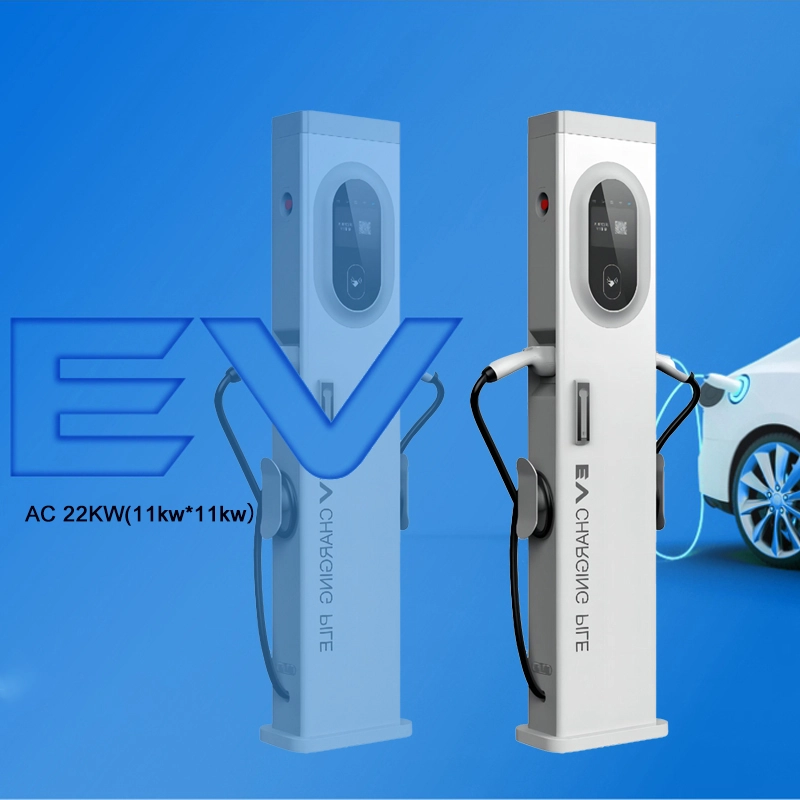
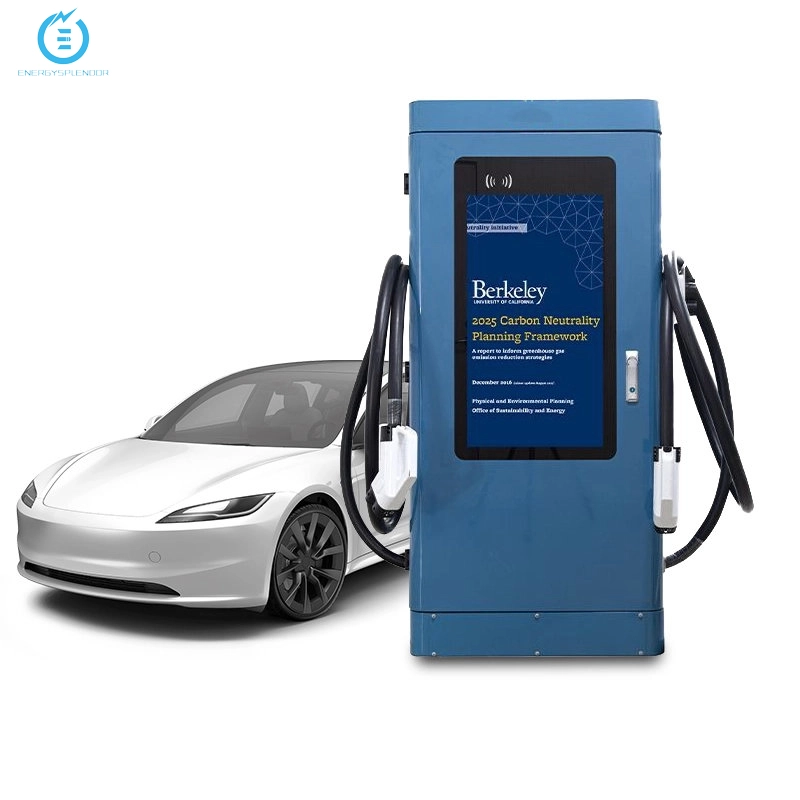
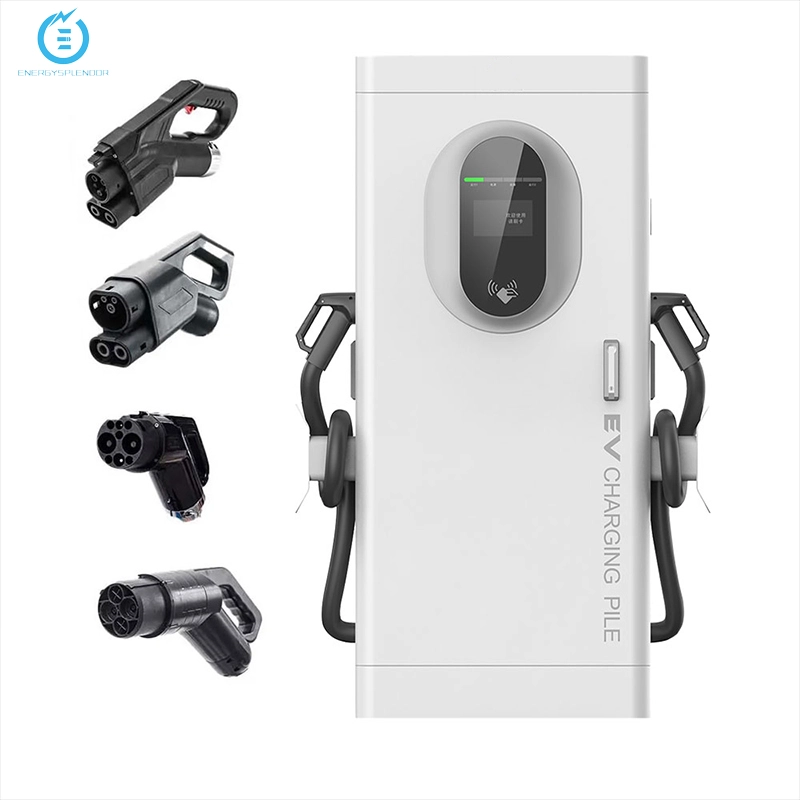
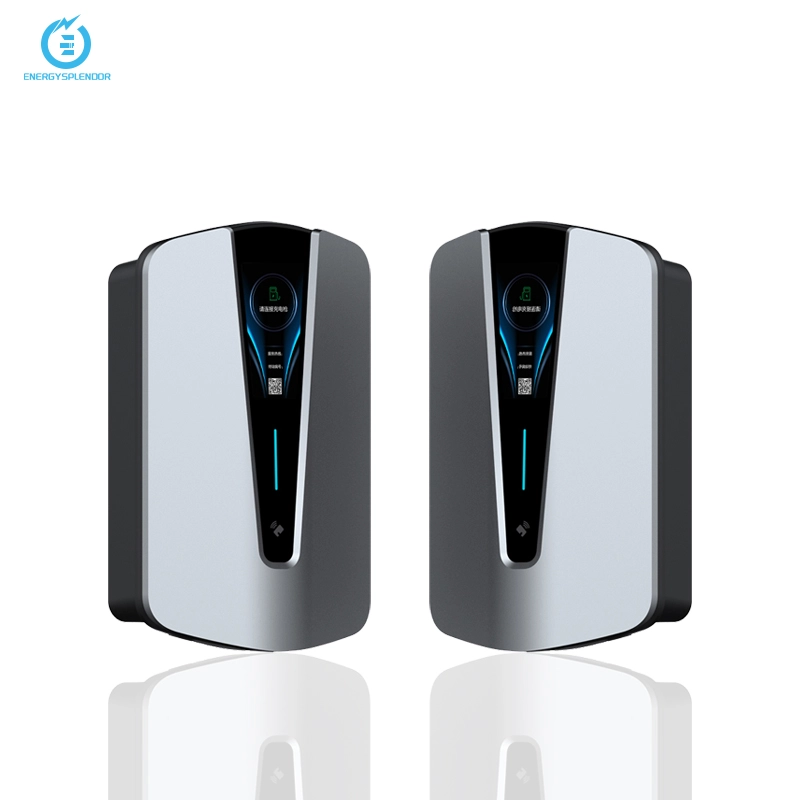
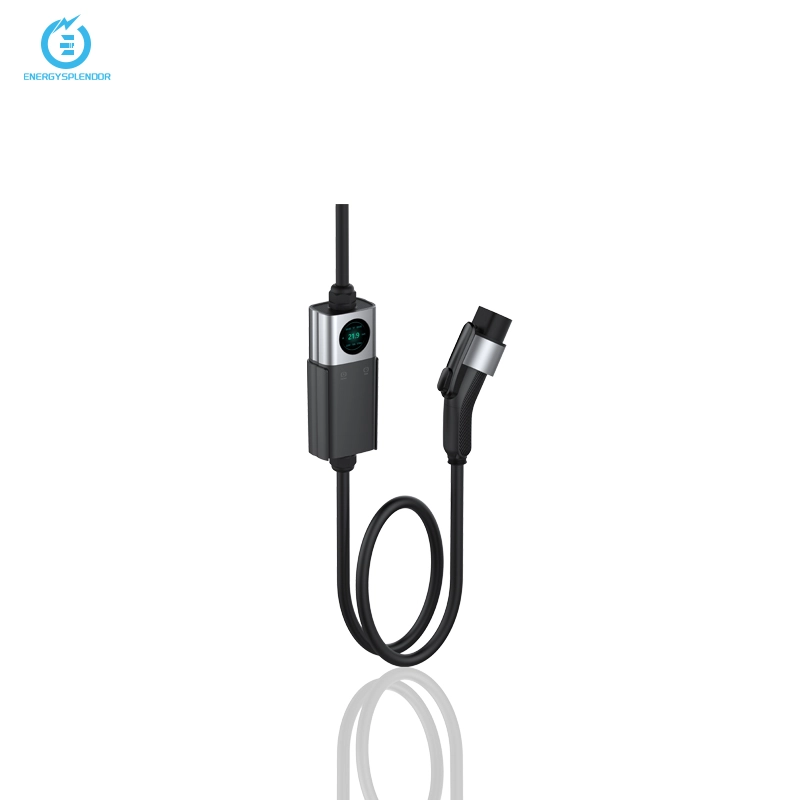
11kw AC EV Charger Floor Mounted Type 1 Type 2 GBT
1.4.3 inch LCD color display touch screen
2.Floor-standing/Down in down out
3.AC220Vac±20%
4.Auto full / fixed power / fixed amount / fixed time
5.Credit card payment / APP payment /
scan code payment
6.Ethernet 2/3/4G (optional)
7.Charge gun temperature detection,overvoltage protection,undervoltage protection,overload protection,short circuit protection,grounding protection,over temperature protection,low temperature protection,insulation monitoring protection,polarity reverse connection protection,etc..
11kw AC EV Charger Description
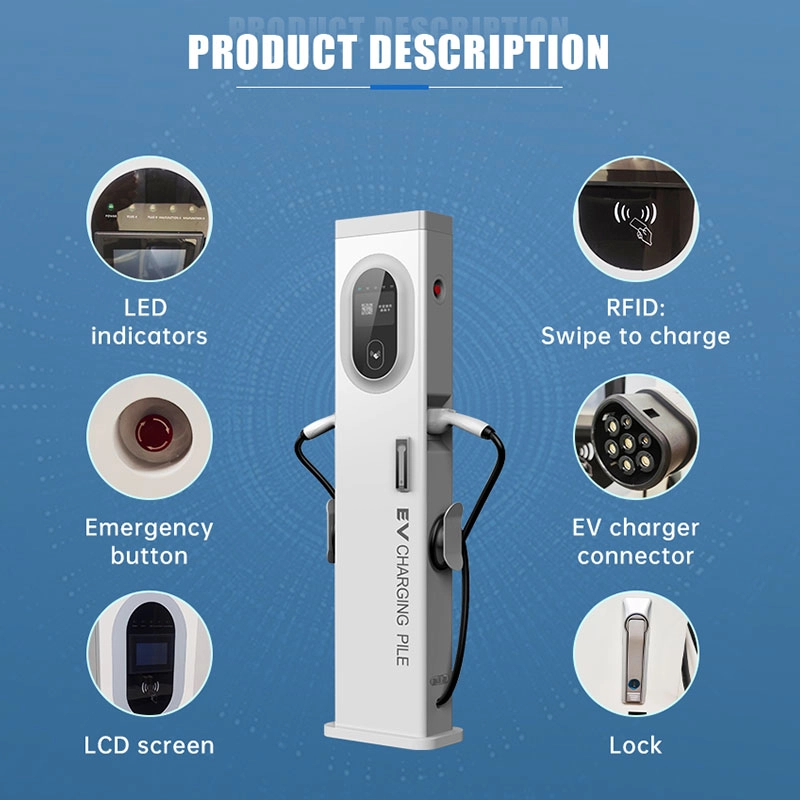
The 11kW AC EV charger is a reliable and efficient charging solution designed for residential, commercial, and fleet applications. Equipped with RFID authentication, users can swipe to charge securely, ensuring controlled access for private or shared environments.
This charger supports multiple connector types, including Type 1, Type 2, and GB/T, offering broad compatibility with electric vehicles across Europe, Asia, and North America. The integrated LCD screen provides clear charging status, power output, and session data, enhancing the user experience.
For added safety and convenience, the charger includes an emergency stop button, allowing users to instantly cut off power during abnormal situations. LED indicators offer intuitive visual cues for power status, charging progress, and fault alerts.
Built with robust components and a modern design, this 11kW AC EV charger delivers smart functionality, multi-standard compatibility, and secure operation—ideal for today’s dynamic EV charging demands.
Floor Mounted 11kw AC EV Charger Function
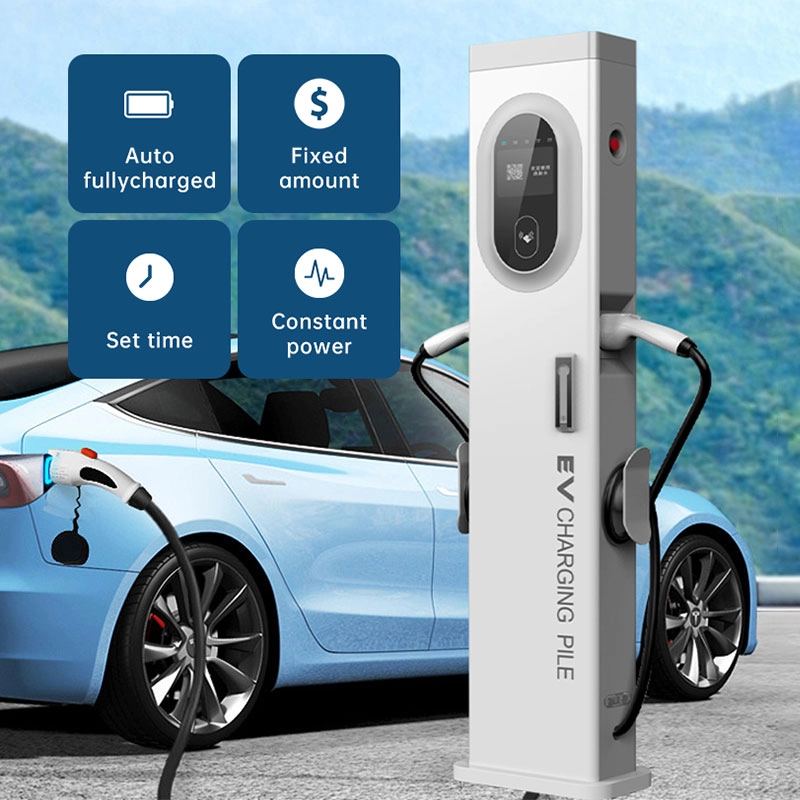
The floor mounted 11kW AC EV charger is designed for stable, efficient, and intelligent charging in both commercial and residential settings. It offers multiple charging modes to meet diverse user needs, including auto full-charged, which automatically stops charging when the vehicle battery reaches 100%, ensuring safety and energy efficiency.
Users can also choose fixed amount charging, setting a specific kWh value in advance—ideal for cost control or time-based billing scenarios. The scheduled charging function allows users to set charging times, enabling off-peak charging or aligning with fleet operations.
Another advanced feature is constant power output, which maintains a stable charging current for optimized battery health and consistent performance across different EV models.
Built for durability and convenience, this floor mounted 11kW charger combines smart control with user-friendly functions—delivering flexible and reliable AC charging for daily use.
Single plug or Double plugs AC EV Charger
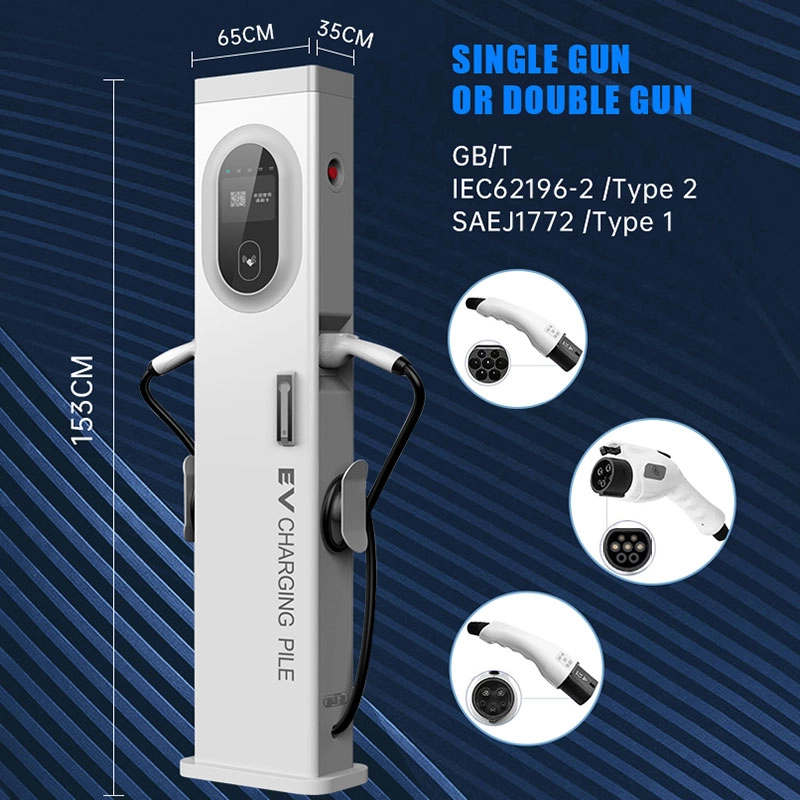
The Single Plug or Double Plugs AC EV Charger offers flexible configurations to meet different charging needs for residential, commercial, or public installations. Available in both single outlet and dual outlet models, it allows users to charge one or two electric vehicles simultaneously, improving site efficiency and space utilization.
This charger supports all major global charging standards, including GB/T, IEC 62196-2 (Type 2), and SAE J1772 (Type 1). Whether you’re in Asia, Europe, or North America, it ensures broad compatibility with most electric vehicle brands on the market.
Designed for safe and smart charging, the unit features durable connectors, intelligent control systems, and optional functions like RFID access and scheduled charging. Whether installed in parking lots, office buildings, or private garages, this AC EV charger provides a reliable and adaptable charging experience for today’s global EV landscape.
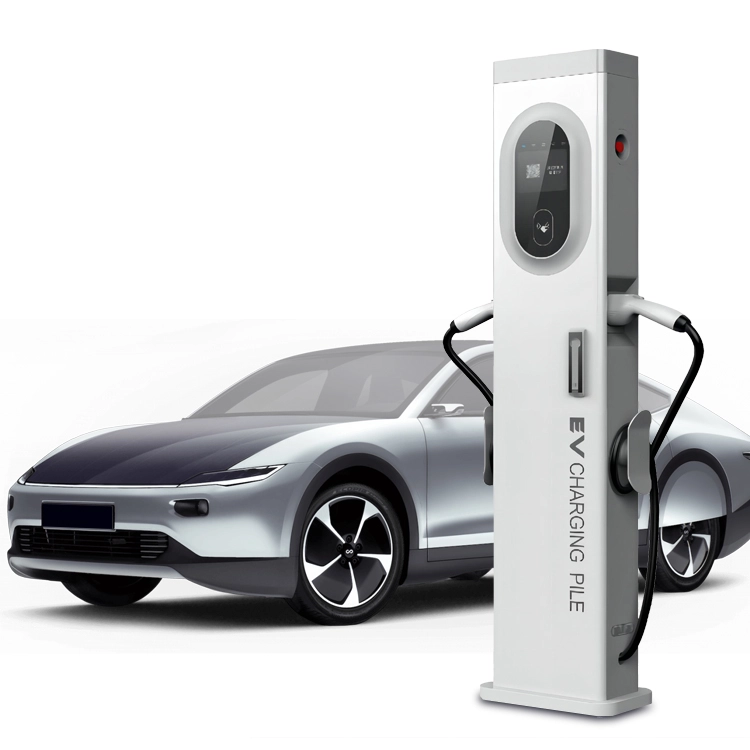
7kw 11kw 22kw AC EV Charger Compatible With 99% Of Cars
The 7kW, 11kW, and 22kW AC EV chargers are designed to deliver efficient, safe, and widely compatible charging for both residential and commercial use. Supporting Type 1, Type 2, and GB/T connector standards, these chargers are compatible with 99% of electric cars on the market—including popular models from Tesla (with adapter), BYD, BMW, Nissan, Hyundai, Volkswagen, and more.
Whether you choose 7kW for home use, 11kW for small fleets, or 22kW for fast AC charging, each model offers stable power output, smart protection features, and optional functions like RFID access, scheduled charging, and real-time monitoring via LCD or app.
Built with robust components and intelligent power control, these chargers ensure smooth and reliable performance under varying grid conditions. Ideal for EV owners, businesses, and infrastructure operators, the 7kW/11kW/22kW AC EV chargers offer flexible, scalable solutions—combining wide vehicle compatibility with long-term reliability.
7kw 11kw 22kw AC EV Charger Certification and Service
Our 7kW, 11kW, and 22kW AC EV chargers come with complete international certifications, including CE, TÜV, and other region-specific approvals, ensuring safety, compliance, and market readiness across Europe, Asia, and beyond. For large-scale or specialized projects, we also offer customized certification support to help clients meet local regulatory requirements and streamline product registration.
In terms of service, we provide a full suite of professional support throughout the entire customer journey. Our pre-sales services include personalized product recommendation, tailored to your project scale and technical needs. We also support integration testing with customer backend software, ensuring seamless operation and OCPP compatibility.
Additional services include technical consultation, product knowledge training, and full after-sales support such as remote troubleshooting guidance and on-site engineer support for commissioning and maintenance. With our certified products and expert service team, the 7kW, 11kW, 22kW AC EV chargers deliver not only quality hardware, but also complete confidence and support for long-term operation.
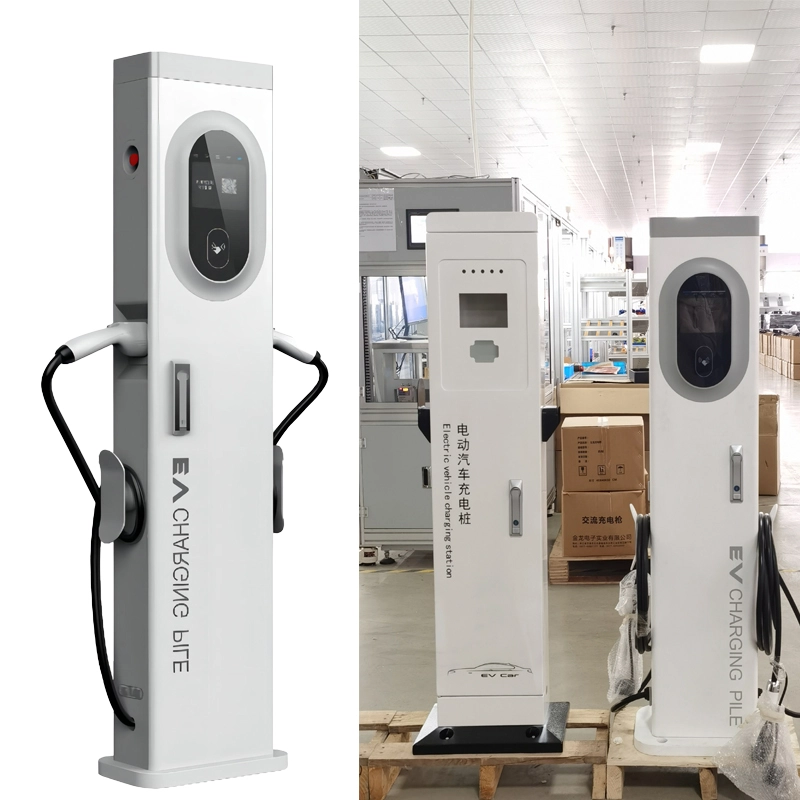
Custom 7kw 11kw 22kw AC EV Charger
Our custom 7kW, 11kW, and 22kW AC EV chargers offer a flexible solution tailored to your brand and market needs. We provide full customization options, including exterior design, allowing you to choose the charger’s shape, color, and housing materials to match your brand image or installation environment.
You can also customize the logo, enabling OEM or private label production for distributors, energy companies, and EV charging solution providers. In addition, we support custom power configurations—7kW for residential use, 11kW for mid-size applications, and 22kW for commercial fast AC charging—ensuring the right performance for your specific use case.
To support global deployment, we offer custom language interfaces for screen display and software interaction, making the charger user-friendly in different regions. Connector types such as Type 1, Type 2, or GB/T can also be specified to meet local EV standards.
With flexible customization and reliable quality, our AC EV chargers are ideal for companies looking to launch branded, region-specific, and performance-matched EV charging solutions.
We installed the 22kW AC EV charger at our office parking area, and it’s been a game-changer for both employees and guests. The charging speed is noticeably faster compared to 7kW or 11kW models—perfect for vehicles with three-phase charging support. It delivers stable performance with no overheating or interruptions, even during continuous use. The unit is compact, easy to install, and compatible with both Type 2 and GBT connectors, which is great for our diverse fleet. The LCD screen provides clear real-time charging data, and the built-in safety protections give us full peace of mind. Since installation, we’ve seen more EV users choose our location for daily charging. It’s a reliable, efficient, and future-ready solution for commercial or semi-public use.
Leah Garza
I’ve been using the 7kW AC EV charger at home for several months now, and it’s been a reliable and convenient charging solution. It offers the perfect balance between charging speed and energy efficiency, fully charging my vehicle overnight without overloading the household circuit. Installation was simple, and the compact wall-mounted design fits nicely in my garage. The charger supports smart features like scheduled charging and real-time monitoring, which helps me manage energy use and save on electricity bills. It’s compatible with my Type 2 EV and includes all the necessary safety protections like overcurrent, overvoltage, and leakage detection. For daily use at home, the 7kW charger is more than enough and offers great peace of mind. I’d definitely recommend it to any EV owner looking for a dependable, affordable Level 2 charging option.
PriscillaMoran
We recently installed an AC EV charging station at our small business parking lot, and the feedback from both staff and customers has been excellent. It’s a reliable and cost-effective solution for daily EV charging, supporting both 7kW and 22kW configurations. The station is compatible with most EV models, thanks to its universal Type 2 connector. We especially appreciate the durable design, intuitive interface, and real-time charging display. It also includes all the essential safety protections—overload, short-circuit, and temperature control—so we can operate it with full confidence. The installation process was quick, and the customer support team was very responsive to our questions. Since setting it up, we’ve seen increased customer satisfaction and more EV users returning to our site. This AC charging station is perfect for homes, workplaces, and light commercial use.
SheilaBennett
The AC fast charger for EVs has been a great addition to our home charging setup. Unlike standard Level 1 chargers, this AC fast charger (we’re using the 22kW version) significantly reduces charging time and is perfect for our busy daily routine. It’s compatible with our Type 2 EV and supports three-phase power, which delivers fast and stable charging. The build quality is solid, the display is easy to read, and installation was straightforward with good technical support. What stands out most is the smart functionality—being able to schedule charging during off-peak hours saves us money every month. The built-in safety features also give us peace of mind, including protection against overcurrent, leakage, and overheating. Whether you’re charging at home, in an office, or for a small business fleet, this AC fast charger is an efficient and reliable solution.
GavinKey
We’ve been using an AC EV charger for several months now, and it’s the perfect solution for our daily charging needs. It provides stable, efficient charging for our electric car and works great with the existing home power supply. We chose the 7kW model, and it fully charges our vehicle overnight, making it ideal for residential use. The unit is compact, weather-resistant, and easy to install, either wall-mounted or on a stand. We also love the smart charging features—real-time monitoring, scheduling, and app control—which help us manage energy use and save costs. The charger supports both Type 1 and Type 2 plugs (depending on configuration), making it flexible for various EV models. Built-in protections against overvoltage, short circuit, and overheating ensure safe, worry-free charging. Overall, this AC EV charger is reliable, user-friendly, and a must-have for any EV owner looking for a long-term solution at home or work.
DaniellePatton
We recently installed an AC EV charging station at our apartment building, and the experience has been excellent. The AC charging system offers a reliable and cost-effective way to keep our electric vehicles charged on a daily basis. We opted for a 22kW model, which provides much faster charging than standard 7kW units—perfect for tenants with three-phase connections. The unit supports multiple plug types, including Type 2, and is compatible with a wide range of EVs. It’s also equipped with smart features like RFID access control and mobile app integration, which make usage and monitoring very easy. The charger runs quietly, operates smoothly, and has essential safety protections built in—overcurrent, leakage, temperature, and more. The sleek design also fits well in shared parking spaces. Overall, this AC EV charging solution is dependable, efficient, and well-suited for residential or commercial use.
DesireeSalinas
What Is An Ac Ev Charger?
An AC EV charger is a type of electric vehicle charger that supplies alternating current (AC) power to the vehicle, which is then converted to direct current (DC) by the car’s onboard charger to charge the battery.
How It Works
Power Source: Connects to an AC power supply (home outlet, wall box, or public station).
Onboard Conversion: The vehicle’s onboard charger converts AC to DC to charge the battery.
Charging Speed: Depends on the charger’s power rating and the car’s onboard charger capacity.
Common AC Charger Types
| Charger Type | Power Output | Typical Voltage | Use Case |
|---|---|---|---|
| Level 1 (Mode 2) | ~2.3 kW (slow) | 120V (North America) / 220V (Asia) | Home charging via standard outlet |
| Level 2 (Mode 3) | 3.6 kW–22 kW | 230–400V | Home wall box or public AC stations |
Key Features
Cost-effective: Less expensive than DC fast chargers.
Widespread availability: Common for home and public charging.
Safe and user-friendly: Suitable for overnight or long-duration parking.
Connector Types (Region Specific)
Type 1 (SAE J1772): Used in North America and parts of Asia.
Type 2 (Mennekes): Common in Europe, Southeast Asia, and the Middle East.
GB/T: Standard in China.
Summary
An AC EV charger is ideal for daily charging needs where speed is not critical, offering a balance of affordability, accessibility, and safety.
Is Ac Charging Good For Ev?
Yes, AC charging is good for EVs—especially for daily, overnight, and home charging. It’s the most common and practical way to charge electric vehicles under normal usage conditions.
✅ Advantages of AC Charging for EVs
| Benefit | Description |
|---|---|
| Cost-Effective | AC chargers are less expensive to install and operate than DC fast chargers. |
| Battery-Friendly | Slower, steady charging generates less heat, helping extend battery lifespan. |
| Widely Available | Found in homes, workplaces, and public parking lots across most countries. |
| Safe for Long Sessions | Ideal for 6–12 hours of charging while parked overnight or during work. |
| Flexible Power Options | Ranges from 3.3kW (slow) to 22kW (fast, 3-phase) depending on installation. |
⚠️ When AC Charging May Not Be Ideal
If you need a quick recharge during travel, DC fast charging is better.
If your EV has a low-power onboard charger (e.g., 3.3kW), even high-power AC stations will charge slowly.
Summary
AC charging is safe, reliable, and battery-friendly, making it the best choice for routine use at home or work. It may not be the fastest, but it’s ideal for overnight charging and cost-conscious users.
Can I Charge My Ev While Ac On?
Yes, you can charge your EV while the car’s air conditioning (AC) is on, but there are a few important points to consider:
When You Can Use AC While Charging
| Charging Type | AC Usage | Notes |
|---|---|---|
| AC Charging | Yes | Most EVs allow climate control during Level 1/2 charging. May slightly slow charging. |
| DC Fast Charging | Yes (usually) | AC can run while charging, though charging speed may be affected. |
Things to Keep in Mind
Power Draw: Running AC during charging uses additional battery energy, which may reduce net charging efficiency or extend charging time slightly.
Car Model Dependent: Some EVs allow “pre-conditioning” (cooling or heating) while plugged in, while others may limit functionality.
Battery Management: Using AC while charging from the grid can be better than using it while driving, as it draws from external power, not the battery.
Best Practice
If you’re charging at home or during a break, turning on the AC for comfort or battery pre-conditioning (cooling the battery before departure) is both safe and often recommended.
Is Ac Or Dc Power Better For EV?
AC Power for EV Charging
What it is: Alternating current supplied by home or public chargers. The EV’s onboard charger converts AC to DC to charge the battery.
Charging speed: Typically slower (3.3 kW to 22 kW).
Best for: Home, workplace, and overnight charging.
Pros:
More affordable chargers
Easier installation
Better for battery health due to gentler charging
Cons:
Longer charging times
DC Power for EV Charging
What it is: Direct current supplied by fast-charging stations that convert AC to DC externally and feed the battery directly.
Charging speed: Much faster (typically 50 kW to 350 kW or more).
Best for: Fast public charging, highway stations, commercial fleets.
Pros:
Rapid charging—minutes instead of hours
Convenient for long trips or quick top-ups
Cons:
More expensive chargers and infrastructure
Potentially higher battery stress if used excessively
Summary Table
| Aspect | AC Charging | DC Charging |
|---|---|---|
| Power Type | Alternating Current (AC) | Direct Current (DC) |
| Charging Speed | Slow to moderate (3-22 kW) | Fast (50 kW to 350+ kW) |
| Installation Cost | Lower | Higher |
| Use Case | Home, work, overnight | Public fast charging, highways |
| Impact on Battery | Gentler, better for longevity | Faster but may cause more wear |
Does AC drain EV battery?
Running the AC (air conditioning) inside an EV does use energy from the battery, so yes, using AC drains the EV battery — but charging with AC power from an external source does not drain it.
Clarification:
Using AC inside the car while driving or parked (without external power):
The AC system draws power from the EV’s battery, reducing driving range.Charging an EV with an AC charger (external power):
The battery is being replenished, so the battery is charging, not draining.Using AC (climate control) while plugged in and charging:
The car may draw some power from the grid to run AC, which can slightly reduce charging efficiency but does not drain the battery.
Summary
AC climate control consumes battery power when the EV is not charging.
Charging with an AC charger replenishes battery energy.
Using AC while plugged in may slightly slow charging but is generally safe and common.
Is EV fast charging AC or DC?
EV fast charging is primarily DC (Direct Current) charging.
Why?
Fast charging requires high power delivered directly to the battery, which stores energy as DC.
DC fast chargers convert AC from the grid into DC inside the charging station and supply it directly to the EV’s battery, bypassing the slower onboard AC-to-DC converter.
This allows charging speeds from 50 kW up to 350 kW or more, drastically reducing charging time.
AC Charging vs. DC Fast Charging
| Charging Type | Power Type | Typical Power | Charging Speed | Common Use |
|---|---|---|---|---|
| AC Charging | Alternating Current | 3.3 kW – 22 kW | Slow to moderate | Home, workplace, public Level 2 stations |
| DC Fast Charging | Direct Current | 60 kW – 360+ kW | Very fast (minutes) | Highway stations, commercial fast charging |
Summary
Fast charging = DC charging
AC chargers are typically slower, used for overnight or workplace charging.