As electric vehicles (EVs) continue to revolutionize the automotive world, charging speed remains a critical concern for drivers and fleet operators alike. Among the available options, the Level 3 EV charger—often referred to as DC fast charging—stands out as the most powerful and efficient solution for public and commercial use.
This article dives deep into the world of Level 3 EV charging stations, their advantages, technical requirements, and global market adoption. Whether you’re a business seeking the best Level 3 EV charger for sale, or a policymaker in Europe or Asia evaluating infrastructure upgrades, understanding this technology is essential.
What is a Level 3 EV Charger?
EV charging is commonly divided into three categories:
Level 1: Standard household outlet (120V), very slow (8–12 hours or more)
Level 2: 240V charger, moderate speed (4–6 hours typical full charge)
Level 3: DC fast charger (typically 480V), ultra-fast (15–45 minutes to 80%)
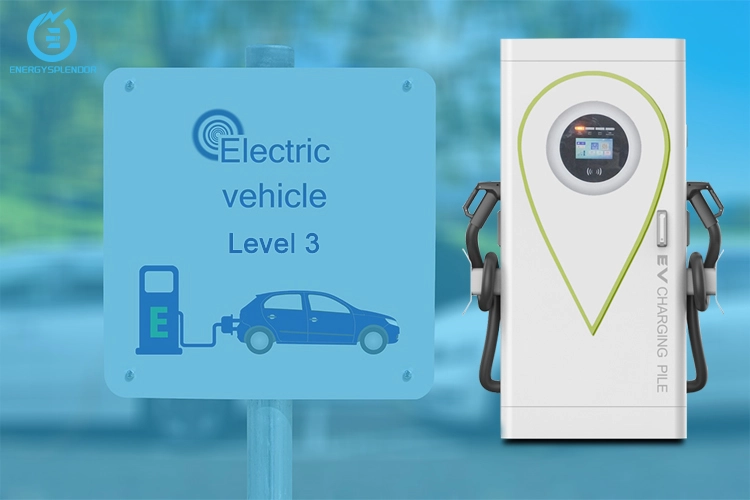
A Level 3 EV charger delivers direct current (DC) to the battery, bypassing the slower onboard converter used in Level 1 and Level 2 systems. This drastically reduces charging time and makes EV Level 3 charging the preferred choice for highways, urban stations, and high-demand commercial zones.
Key Benefits of Level 3 EV Charging Stations
Investing in Level 3 EV charging stations comes with several major benefits:
Fast Charging: Up to 80% battery charge in under 30 minutes
Fleet Support: Ideal for logistics, taxis, and shared mobility fleets
Scalable Infrastructure: Supports multi-vehicle charging simultaneously
High ROI: Enables fee-based revenue models and attracts EV traffic
In busy markets such as Germany, South Korea, Chile, and Saudi Arabia, these benefits have accelerated the rollout of EV charging stations Level 3 in both public and private sectors.

Power Requirements and Compatibility
Installing a Level 3 EV charger requires substantial electrical infrastructure. Typically, it needs:
Three-phase power (often 480V or higher)
Dedicated transformers
Sufficient grid access
Cooling systems for high-output operation
The Level 3 EV charger power requirements can vary between 50kW to 350kW. Regions with older infrastructure, like some areas in Central Asia or Southeast Asia, may need significant upgrades before deployment.
Popular connector standards include:
CCS (Combined Charging System) – Common in Europe and North America
CHAdeMO – Used primarily in Japanese and Korean EVs
GBT DC – Standard in China
When planning EV charging Level 3 stations, ensuring compatibility with diverse vehicle types is essential.
Can You Install a Level 3 EV Charger at Home?
Technically, it is possible to install a Level 3 EV charger at home, but it’s rare and typically not recommended. The high-voltage requirements, cost, and space needed make it more suitable for commercial or government applications. In most countries—including UK, India, and Russia—residential electrical systems aren’t built to handle 480V Level 3 EV charger setups.
For home use, Level 2 chargers remain the most practical option.
Use Cases Across Regions
Europe
Countries like France, Netherlands, and Norway lead in Level 3 EV charger deployment due to government incentives and aggressive EV adoption targets. These fast chargers are installed in city centers, service stations, and logistics hubs.
South America
In Brazil and Colombia, urban centers are starting to adopt Level 3 EV charging stations to reduce pollution and support commercial fleets.
Asia and Southeast Asia
Japan, China, Singapore, and Thailand are rapidly scaling Level 3 EV charging as part of smart city initiatives and national carbon goals.
Middle East and Central Asia
UAE and Kazakhstan have begun integrating EV charger Level 3 networks along transport corridors to encourage electric mobility in high-temperature environments.
Cost and Availability
The Level 3 EV charger for sale varies in price depending on power output and features. Here’s a typical cost breakdown:
| Power Output | Estimated Price (USD) |
|---|---|
| 50kW | $12,000 – $20,000 |
| 120kW | $25,000 – $35,000 |
| 350kW Ultra-Fast | $40,000 – $70,000 |
These chargers are widely available through manufacturers and distributors, and many offer software integration for fleet management, dynamic pricing, and load balancing.
Businesses looking for ev charger level 3 solutions should factor in both the unit cost and the required electrical infrastructure investment.
Choosing the Best Level 3 EV Charger
When evaluating the best Level 3 EV charger, consider the following:
Power Output Range (kW) – Match charging speed to your use case
Plug Standard Support – Offer both CCS and CHAdeMO options
Smart Features – App integration, billing systems, energy monitoring
Durability – Ensure IP65 rating and performance under extreme climates
Service Network – Reliable after-sales support across your region
Operators in Turkey, Uzbekistan, and Vietnam are increasingly choosing modular, scalable designs that can grow with EV adoption rates.
EV Charging Level 1 2 3: A Summary Comparison
| Feature | Level 1 | Level 2 | Level 3 |
|---|---|---|---|
| Voltage | 120V | 240V | 480V+ DC |
| Charging Time | 8–20 hrs | 4–6 hrs | 15–45 mins |
| Use Case | Home | Home/Public | Commercial/Public |
| Installation Cost | Low | Moderate | High |
| Power Requirement | Standard Outlet | Dedicated Circuit | Three-phase/Utility |
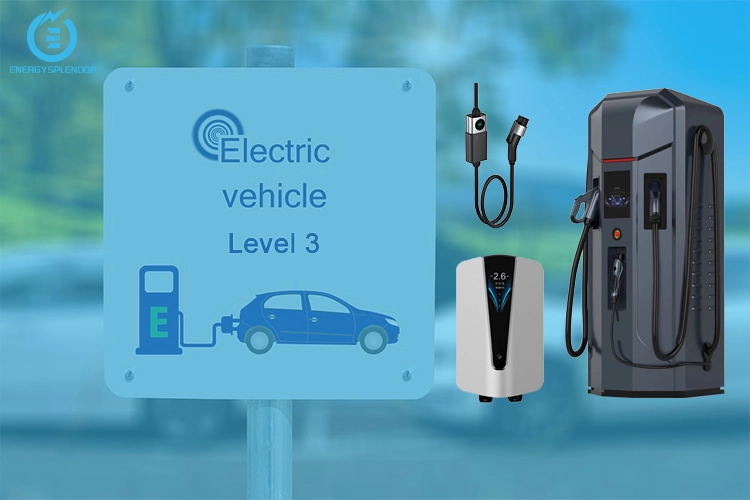
Understanding the differences between EV charging Level 1 2 3 helps businesses and users make informed decisions.
Final Thoughts
The Level 3 EV charger is key to accelerating the global transition to electric mobility. With ultra-fast charging capabilities and growing compatibility, it is rapidly becoming the standard for commercial and highway charging solutions.
If you’re planning to install EV charger Level 3 systems—whether in Europe, South America, Asia, or the Middle East—now is the time to act. Infrastructure readiness, smart planning, and reliable vendors are your keys to success.