ALTERNATING CURRENT CHARGING STATIONS (AC CHARGER STATIONS)
Our alternating current (AC) charging stations offer flexible, reliable charging solutions for electric vehicles, covering 3.5kW to 44kW. Designed for homes, commercial spaces, and public charging networks, these AC chargers ensure safety, energy efficiency, and intelligent load management for a seamless EV charging experience.
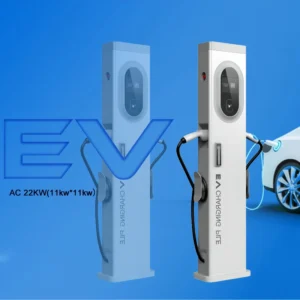
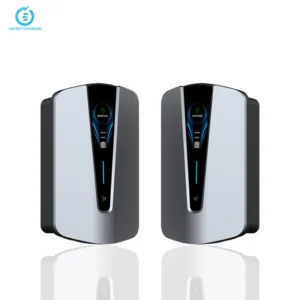
PORTABLE AC EV CHARGER: CONVENIENT HOME AND ON-THE-GO CHARGING
As electric vehicles (EVs) become mainstream, portable AC EV chargers are an increasingly popular solution for drivers who want reliable, flexible, and convenient charging—anytime, anywhere. Whether you’re charging at home, at work, or while traveling, a portable AC charger offers unmatched flexibility.
What Is a Portable AC EV Charger?
A portable AC EV charger is a compact, plug-and-play charging device that connects your electric vehicle to a standard electrical outlet or dedicated socket. It delivers Alternating Current (AC) to the vehicle’s onboard charger, which then converts it to DC power to charge the battery.
These chargers are typically rated as:
Level 1: 120V, standard wall outlet (mainly in North America)
Level 2: 220–240V, faster home or workplace charging
Key Features of Portable AC Chargers
Universal Compatibility
Works with most EVs using Type 1 (SAE J1772) or Type 2 (IEC 62196) connectors Automatically adjusts charging power based on vehicle requirementsAdjustable Charging Current
Some models allow users to select current levels (e.g., 8A, 10A, 13A, 16A) for safer charging depending on outlet capacity.Smart Display-Control
LCD screens show real-time status: voltage, current, time, temperature, etc. Optional app or Bluetooth/Wi-Fi control for monitoring and schedulingCompact &-Travel-Friendly
Lightweight and easy to carry Comes with a durable carrying case for travel or emergency useMultiple Safety Protections
Overvoltage / Undervoltage Protection Overcurrent Protection Ground Fault Protection Overtemperature Protection IP65–IP67 waterproof and dustproof ratings (model dependent)Ideal Use Cases
Home charging in garages or driveways Apartment or condo residents without fixed chargers Workplace charging with standard outlets Emergency roadside top-ups Long-distance travel and EV road tripsCharging Speed
Charging speed depends on: Voltage of the outlet (110V vs. 220V) Amperage supported by the charger and outlet Vehicle’s onboard charger capacity A Level 2 portable charger can add 10–30 miles of range per hour, while Level 1 chargers typically add 3–5 miles per hour.Why Choose a Portable AC Charger?
No installation cost Easy to store and transport Cost-effective alternative to wall-mounted stations Perfect for renters, frequent travelers, or as a backup chargerConclusion
A portable AC EV charger is a must-have accessory for EV drivers who value flexibility, convenience, and safety. Whether you’re charging at home or on the go, it ensures you’re always powered and ready to drive.WALL-MOUNTED EV CHARGER: SMART, SPACE-SAVING CHARGING AT HOME AND WORK
A wall-mounted EV charger is the go-to solution for EV owners who want faster, smarter, and more permanent charging at home, in parking garages, or at workplaces. It offers superior charging speeds and advanced control features compared to portable chargers, all while saving space with a sleek, fixed installation.
What Is a Wall-Mounted EV Charger?
A wall-mounted EV charger (also known as a wallbox) is an AC charging unit permanently installed on a wall—typically indoors or outdoors—connected to a 220V–240V power supply (Level 2). It directly interfaces with the vehicle using a Type 1 (SAE J1772) or Type 2 (IEC 62196) connector, delivering efficient and safe charging.
Key Features of Wall-Mounted Chargers
Fast Charging Performance
Level 2 charging (up to 7kW–22kW) Can add 25–100 km (15–60 miles) of range per hour Ideal for overnight or workday chargingSmart Charging Capabilities
Wi-Fi/Bluetooth app control Scheduling and timer functions Dynamic load balancing with solar integration (optional) OCPP compatibility for backend monitoring (commercial use)High Durability and Weatherproof Design
IP65–IP67 rating for outdoor use UV-resistant, flame-retardant housing Operates in wide temperature ranges (e.g., -30°C to 55°C)Multiple Protection Mechanisms
Overvoltage / Undervoltage Protection Overcurrent and short circuit protection Ground fault detection Overtemperature shutdown and auto-restartCompact and Clean Installation
Wall-mounted design saves floor space Built-in cable holder for neat storage Suitable for homes, condos, office buildings, hotels, and fleet depotsIdeal Use Cases
Residential charging in garages, carports, and driveways Workplace charging stations for employees Commercial EV charging for fleets or apartment complexes Hotel or retail parking lots offering customer EV chargingInstallation Requirements
220V–240V power supply (hardwired or with industrial plug) Professional installation recommended for safety and code compliance Can be integrated with solar or energy management systemsWhy Choose a Wall-Mounted EV Charger?
Faster charging than portable options Smart energy management for lower electricity costs Safe and weatherproof for permanent installation Increased home resale value as EV adoption growsConclusion
A wall-mounted EV charger is a future-proof investment for convenient, efficient, and intelligent EV charging at home or in any commercial setting. Whether you’re a homeowner or fleet operator, this charger keeps your electric vehicle powered up and road-ready—day or night.Commercial AC EV Charger: Scalable Solutions for Businesses and Public Charging
As electric vehicle adoption expands, businesses, property developers, and municipalities are turning to Commercial AC EV Chargers to meet growing demand. These chargers offer smart, scalable, and cost-effective solutions for locations such as workplaces, apartment complexes, shopping centers, and public parking lots.
What Is a Commercial AC EV Charger?
A commercial AC EV charger is a Level 2 charging station designed for shared, multi-user environments. It delivers alternating current (AC) power—usually at 7kW to 22kW—suitable for most electric cars and plug-in hybrids. Unlike basic home chargers, commercial chargers come with features for user management, payment integration, and remote operation.
Key Features of Commercial AC EV Chargers
1. High Charging Power (Level 2)
Output ranges from 7kW to 22kW, depending on grid connection Compatible with Type 2 (IEC 62196) or Type 1 (J1772) connectors Charges most EVs in 3–8 hours, ideal for long-stay locations2. Smart Network Connectivity
OCPP 1.6 / 2.0.1 compliant for backend system integration
Real-time monitoring, firmware updates, load balancing
Supports centralized control platforms or third-party apps3. Payment & Access Control
Built-in RFID card readers, QR code support, or mobile app access
Optional credit card terminals or integration with external billing systems
Public or private access settings for user group control4. Robust & Weatherproof Design
IP65+ enclosure for outdoor installations
IK10-rated vandal-resistant casing
Wide operating temperature (-30°C to +55°C)5. Multiple Safety Protections
Overvoltage / Undervoltage
Overcurrent / Short-circuit
Ground fault detection
Overtemperature shutdown with auto-recoveryIdeal Commercial Charging Scenarios
🅿️ Shopping malls and retail parking lots
🏢 Office buildings and business parks
🏨 Hotels and hospitality venues
🏘️ Multi-unit residential complexes (MURBs)
🚚 Fleet depots for delivery or logistics operations
🏙️ Public and municipal charging infrastructureBenefits for Operators
Revenue generation through pay-per-use or subscription
Improved brand image through green energy adoption
Attract and retain EV-driving customers or tenants
Government incentives and carbon compliance
Remote diagnostics reduce maintenance costsFuture-Ready Charging Infrastructure
Commercial AC chargers can be upgraded with:
Solar integration for clean energy charging
Dynamic load balancing across multiple chargers
Energy metering for analytics and carbon tracking
Plug & Charge (ISO 15118) for secure automatic user authentication (future-ready)
AC EV CHARGER CONNECTOR TYPES
Understanding the Charging Plug Standards for AC Charging
The connector, often referred to as the charging gun or plug, is the interface between the EV and the charging station. For AC EV chargers, three main types of connectors dominate the global market depending on the region and vehicle type.
Comparison Table: AC EV Connector Types
| Connector Type | Region | Max Power | Phases | Standard | Common Vehicles |
|---|---|---|---|---|---|
| Type 1 (J1772) | USA, Japan | 7.4 kW | Single-phase | SAE J1772 | Nissan Leaf, Chevy Bolt |
| Type 2 | Europe, China | 22 kW | 1P / 3P | IEC 62196-2 | BMW i3, VW ID, Tesla (EU) |
| GB/T (AC) | China | 7–14 kW | 1P / 3P | GB/T 20234.2 | BYD, XPeng, NIO, Li Auto |
1. Type 1 (SAE J1772) – North American / Japanese Standard
Connector Shape: 5-pin round plug
Voltage/Current: 120V–240V, single-phase
Max Power: Up to 7kW
Regions Used: USA, Canada, Japan
Compatible Vehicles: Nissan Leaf (North America), Chevy Bolt, Toyota Prius Prime
✅ Pros: Simple design, widely used in North America
⚠️ Limitation: Single-phase only, slower charging speeds
🇪🇺 2. Type 2 (IEC 62196-2) – European / Chinese Standard
Connector Shape: 7-pin round plug (supports both single-phase and three-phase)
Voltage/Current: 220V single-phase / 380V three-phase
Max Power: Up to 7kW (1P) or 22 kW (3P)
Regions Used: Europe, China (in some private networks), Southeast Asia, Australia
Compatible Vehicles: BMW i3, Tesla (EU), VW ID series, XPeng, BYD, NIO
✅ Pros: Fast charging with three-phase support, highly compatible
⚠️ Note: Type 2 and GB/T connectors may look similar but are not interchangeable
🇨🇳 3. GB/T 20234.2 – Chinese National Standard (AC)
Connector Shape: 7-pin layout, distinct design with black/white casing
Voltage/Current: 220V single-phase / 380V three-phase
Max Power: Typically 7 kW to 14 kW
Region Used: Mainland China (mandatory for public use)
Compatible Vehicles: All Chinese EVs – BYD, NIO, XPeng, Li Auto, etc.
✅ Pros: Standardized for Chinese EVs and grid specs
⚠️ Note: Physically similar to Type 2, but not compatible (different protocols and pin configurations)
Tips for Buyers & Installers
For export markets, Type 1 (US) and Type 2 (EU) are the most common standards
For mainland China, GB/T is mandatory for all public charging infrastructure
Some AC chargers support dual connectors (Type 2 + GB/T) for wider compatibility
Always check the on-board charger (OBC) of the EV to ensure charging compatibility
AC EV CHARGER CHARGING SPEED
AC EV chargers, also known as Level 1 or Level 2 chargers, deliver alternating current (AC) to the EV’s on-board charger (OBC), which then converts it to DC to charge the battery. The charging speed depends on several factors:
🔧 Factors Affecting Charging Speed:
Power output of the AC charger (in kW)
Maximum AC input supported by the EV’s OBC (e.g., 3.5kW, 7kW, 11kW, 22kW,44kw)
Voltage and current of the power supply (single-phase vs. three-phase)
Battery capacity and state of charge
| Charger Type | Voltage | Power (kW) | Typical Charging Speed | Time to Full Charge |
|---|
| Level 1 (Mode 2) | 110–120V | 1.4 – 2 kW | ~5–8 km/hour (3–5 mi/hour) | 8–20 hours (small battery) |
| Level 2 (Mode 3) | 220–240V (1P) | 3.3 – 7.4 kW | ~15–40 km/hour (10–25 mi/hour) | 4–8 hours (typical EV) |
| Level 2 (3P) | 380–415V (3P) | 11 – 22 kW | ~50–120 km/hour (30–75 mi/hour) | 2–4 hours (mid-to-large battery) |
PROTECTION CATEGORIES OF AC EV CHARGING EQUIPMENT
Ensuring Safe and Reliable Charging with Certified Safety Systems
To guarantee the safety, durability, and reliability of AC electric vehicle charging equipment, manufacturers integrate a range of protection mechanisms. These systems are designed to prevent electrical faults, environmental damage, and user hazards. Below are the main protection categories to look for in modern AC EV chargers.